

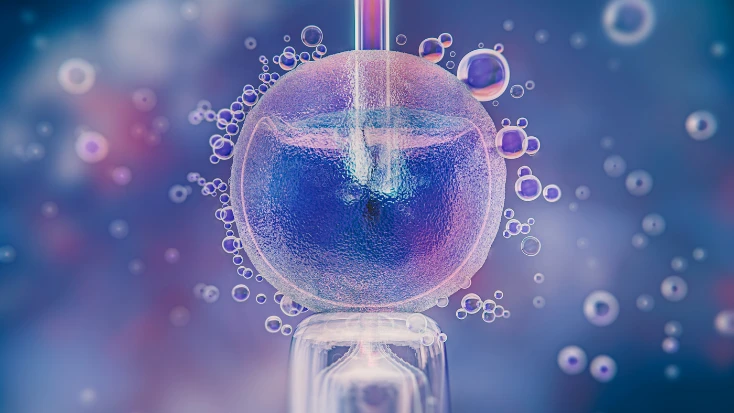
Today, many women choose to focus on education, career growth, financial stability, or personal goals before planning a family.
However, fertility naturally declines with age, especially after the mid-30s. This is where egg freezing can help.
If you have ever wondered what is egg freezing, how it works, or whether it is the right choice for you, this guide will help you understand everything in simple language.
Dr. Aradhya Achuri, Fertility Expert in Hyderabad, explains the egg freezing process, its benefits, costs, and who may benefit from this fertility preservation option.
What is Egg Freezing?
Egg freezing, also known as oocyte cryopreservation, is a fertility preservation technique in which a woman's eggs are collected, frozen, and stored for future use.
In simple words, if a woman wants to delay pregnancy but wishes to preserve her younger and healthier eggs, she can choose egg freezing.
Many women search online for what is egg freezing because it offers an opportunity to plan pregnancy at a later stage without relying entirely on age-related fertility.
The frozen eggs can be stored safely for several years and used later through IVF treatment when the woman decides to conceive.
How Does Egg Freezing Work?
Many patients ask, how does egg freezing work?
The process involves collecting mature eggs from the ovaries, freezing them using advanced technology, and storing them in a specialized laboratory.
When the woman is ready for pregnancy in the future, the eggs are thawed, fertilized with sperm, and the resulting embryo is transferred into the uterus.
Modern freezing techniques have significantly improved egg survival rates, making egg freezing a reliable fertility preservation option.
Who Should Consider Egg Freezing?
Egg freezing may be beneficial for women in different situations.
Some common reasons include:
- Women who want to delay pregnancy for personal or professional reasons
- Women diagnosed with cancer before chemotherapy or radiation treatment
- Women with a family history of early menopause
- Women with low ovarian reserve who want to preserve fertility
- Women with medical conditions that may affect future fertility
- Women planning pregnancy later in life
The earlier the eggs are frozen, the better the chances of preserving good egg quality.
What is the Egg Freezing Process?
Understanding the egg freezing process can help reduce anxiety and prepare patients for treatment.
Step 1: Fertility Assessment
The fertility specialist performs blood tests and an ultrasound scan to evaluate ovarian reserve and determine the number of eggs available.
Step 2: Ovarian Stimulation
Hormone injections are given for around 10 days to stimulate the ovaries to produce multiple mature eggs instead of just one egg during a normal cycle.
Step 3: Monitoring
Regular ultrasound scans and blood tests are done to monitor egg growth and determine the ideal time for egg retrieval.
Step 4: Egg Retrieval
Egg retrieval is a short procedure performed under sedation. The doctor collects mature eggs from the ovaries using a thin needle guided by ultrasound.
Step 5: Freezing and Storage
The mature eggs are frozen using an advanced rapid-freezing method called vitrification and stored safely for future use.
This complete egg freezing process usually takes about two weeks from start to finish.
Benefits of Egg Freezing
Egg freezing offers several advantages for women who wish to preserve their fertility.
Some key benefits include:
- Preserves fertility at a younger age
- Provides reproductive flexibility for future family planning
- Helpful before cancer treatment
- Allows women to focus on career and personal goals
- Reduces concerns about age-related decline in egg quality
- Gives more options for future pregnancy planning
Although egg freezing does not guarantee pregnancy, it can improve future reproductive opportunities.
Egg Freezing Cost in India
One of the most common questions women ask is about egg freezing cost.
The egg freezing cost in India varies depending on:
- Fertility clinic
- Doctor's expertise
- Fertility medications required
- Egg retrieval procedure charges
- Freezing and storage fees
- Duration of storage
In many cities, the egg freezing cost generally ranges between ₹1.5 lakh and ₹2 lakh for one cycle, excluding long-term storage charges.
A fertility consultation can provide a more accurate estimate based on individual requirements.
Risks and Limitations of Egg Freezing
Egg freezing is considered a safe procedure, but like any medical treatment, it has some limitations.
Possible risks include:
- Mild discomfort during ovarian stimulation
- Temporary bloating
- Rare risk of ovarian hyperstimulation syndrome (OHSS)
- Not all frozen eggs survive the thawing process
- Pregnancy is not guaranteed
The success of egg freezing largely depends on the woman's age at the time of freezing and the number of eggs preserved.
When is the Best Time to Freeze Eggs?
Most fertility specialists recommend freezing eggs before the age of 35 whenever possible.
Women in their late 20s or early 30s generally have healthier eggs and better future success rates.
However, every woman's fertility journey is different, and consultation with a fertility expert can help determine the right timing.
Conclusion
Understanding what is egg freezing can help women make informed decisions about their reproductive future. The egg freezing process offers a valuable opportunity to preserve fertility and plan pregnancy at a time that feels right.
If you are considering fertility preservation or want to learn more about how does egg freezing work, consulting an experienced fertility specialist is the best first step.
Dr. Aradhya Achuri, Fertility Expert in Hyderabad, provides personalized fertility evaluations and advanced fertility preservation options to help women make confident decisions about their future family plans.
Frequently Asked Questions (FAQs) About Egg Freezing
1. What is egg freezing?
Egg freezing is a fertility preservation procedure in which a woman's eggs are collected, frozen, and stored for future use. It allows women to preserve their fertility and plan pregnancy at a later stage of life.
2. How does egg freezing work?
Many women ask, how does egg freezing work? The process involves stimulating the ovaries to produce multiple eggs, retrieving the mature eggs, freezing them using advanced technology, and storing them safely. When needed in the future, the eggs are thawed, fertilized, and used during IVF treatment.
3. What is the egg freezing process?
The egg freezing process typically includes fertility assessment, hormone injections to stimulate egg production, monitoring through ultrasound scans, egg retrieval, and freezing of mature eggs. The complete process usually takes around two to three weeks.
4. Who should consider egg freezing?
Egg freezing may be suitable for:
- Women who want to delay pregnancy
- Women focusing on career or personal goals
- Women undergoing cancer treatment
- Women with low ovarian reserve
- Women with a family history of early menopause
- Women who want to preserve fertility for future family planning
5. What is the best age for egg freezing?
The ideal age for egg freezing is generally before 35 years. Freezing eggs at a younger age often provides better egg quality and may improve future pregnancy outcomes.
6. How long can frozen eggs be stored?
Frozen eggs can be stored safely for many years under proper laboratory conditions. Studies have shown that long-term storage does not significantly affect egg quality when appropriate freezing techniques are used.