

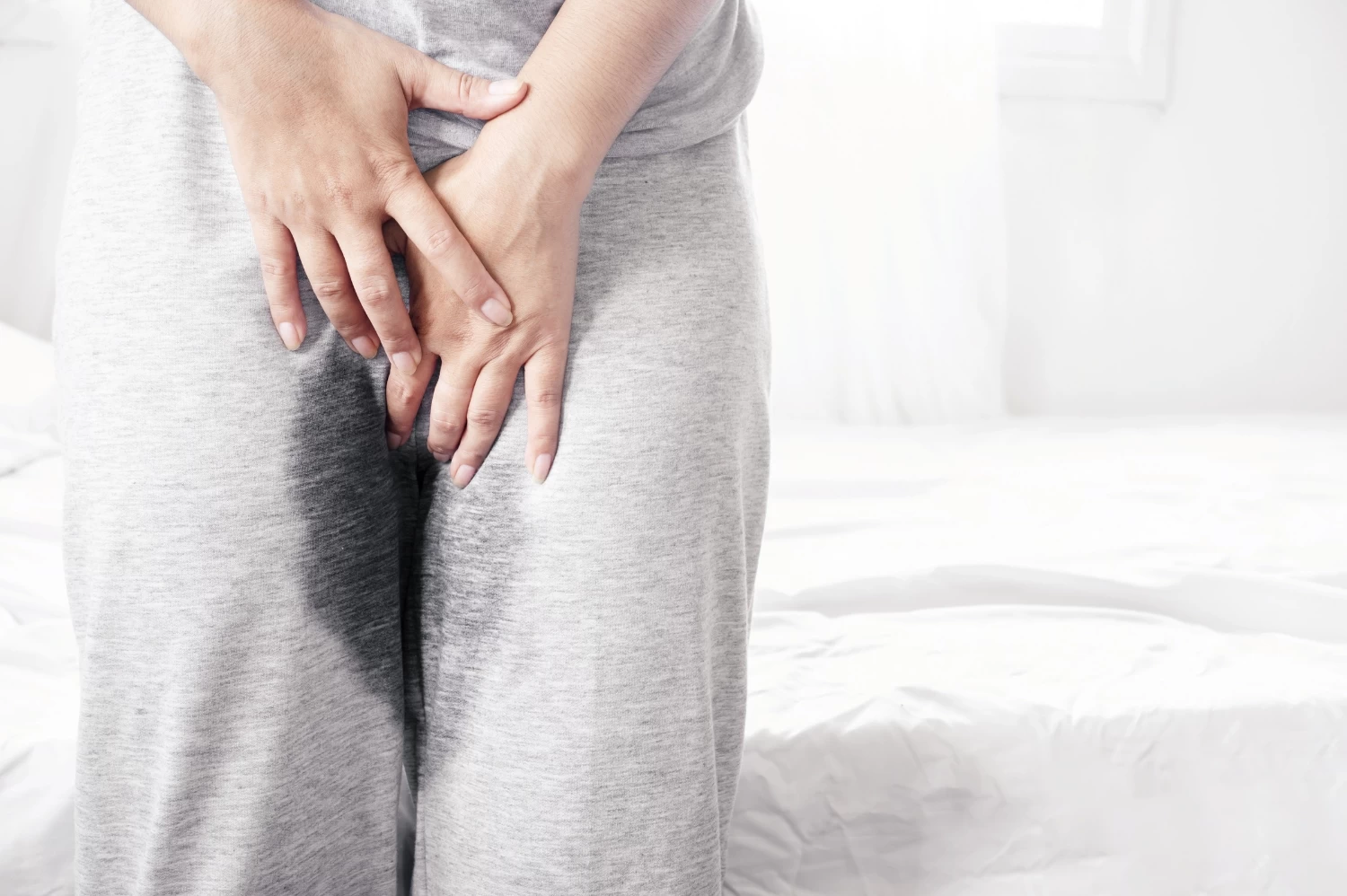
Leaking urine without warning? Learn the causes of urinary leakage and the treatments doctors recommend for better control.
How it works
Urinary leakage happens when the bladder muscles, pelvic floor muscles, or nerves that control urination do not work properly. Depending on the type, urine may leak during physical activity, after a sudden urge, or due to incomplete bladder emptying. Some people may also experience leakage because of physical limitations such as arthritis that make it difficult to reach the toilet on time.
The most common types include:
- Stress incontinence – urine leaks when pressure is placed on the bladder (coughing, sneezing, lifting).
- Urge incontinence – sudden urge to urinate followed by leakage (often linked to overactive bladder).
- Overactive bladder – The bladder contracts too often, causing sudden urges to urinate, increased frequency, and sometimes leakage.
- Overflow incontinence – frequent dribbling when the bladder cannot empty fully.
- Functional incontinence – physical or mental limitations prevent timely toilet use.
- Mixed incontinence – combination of stress and urge incontinence.
Benefits of Treatment
- Helps control bladder leakage and reduces daily discomfort.
- Improves confidence, mobility, and social activity without fear of accidents.
- Reduces nighttime urination and improves sleep quality.
- Lowers the risk of skin infections or irritation caused by constant wetness.
- Prevents falls in older adults who rush to the bathroom.
- Supports better quality of life with effective symptom management.
Procedure of Urinary Leakage Treatment
Treatment for urinary leakage depends on the type and severity of symptoms. Your doctor may begin with simple lifestyle changes such as fluid management, pelvic floor exercises (Kegels), and dietary adjustments to reduce bladder irritation.
In some cases, medications may be used to relax the bladder, control urgency, or improve muscle strength.
For severe leakage, additional options like bladder training, physiotherapy, pelvic floor therapy, laser therapy, or minimally invasive procedures may be recommended.
The goal is to help you regain bladder control, reduce leakage episodes, and improve daily comfort.
When is it recommended
Treatment for urinary leakage is recommended when:
- Urine leaks during coughing, laughing, sneezing, lifting, or exercising.
- You experience sudden and frequent urges to urinate.
- You wake up often at night to pass urine.
- You have repeated leakage due to incomplete bladder emptying.
- Symptoms affect daily life, confidence, or social activities.
- Leakage leads to falls, skin irritation, or embarrassment.
- You suspect an underlying condition like diabetes, nerve problems, or urinary infection.
Success Rate
The success rate of urinary leakage treatment depends on the type of incontinence and the chosen therapy. Many people experience significant improvement with simple lifestyle changes, pelvic floor strengthening, and medication.
With proper diagnosis and treatment, success rates are high, and most patients achieve better bladder control and long-term symptom relief. Early treatment leads to the best results.