

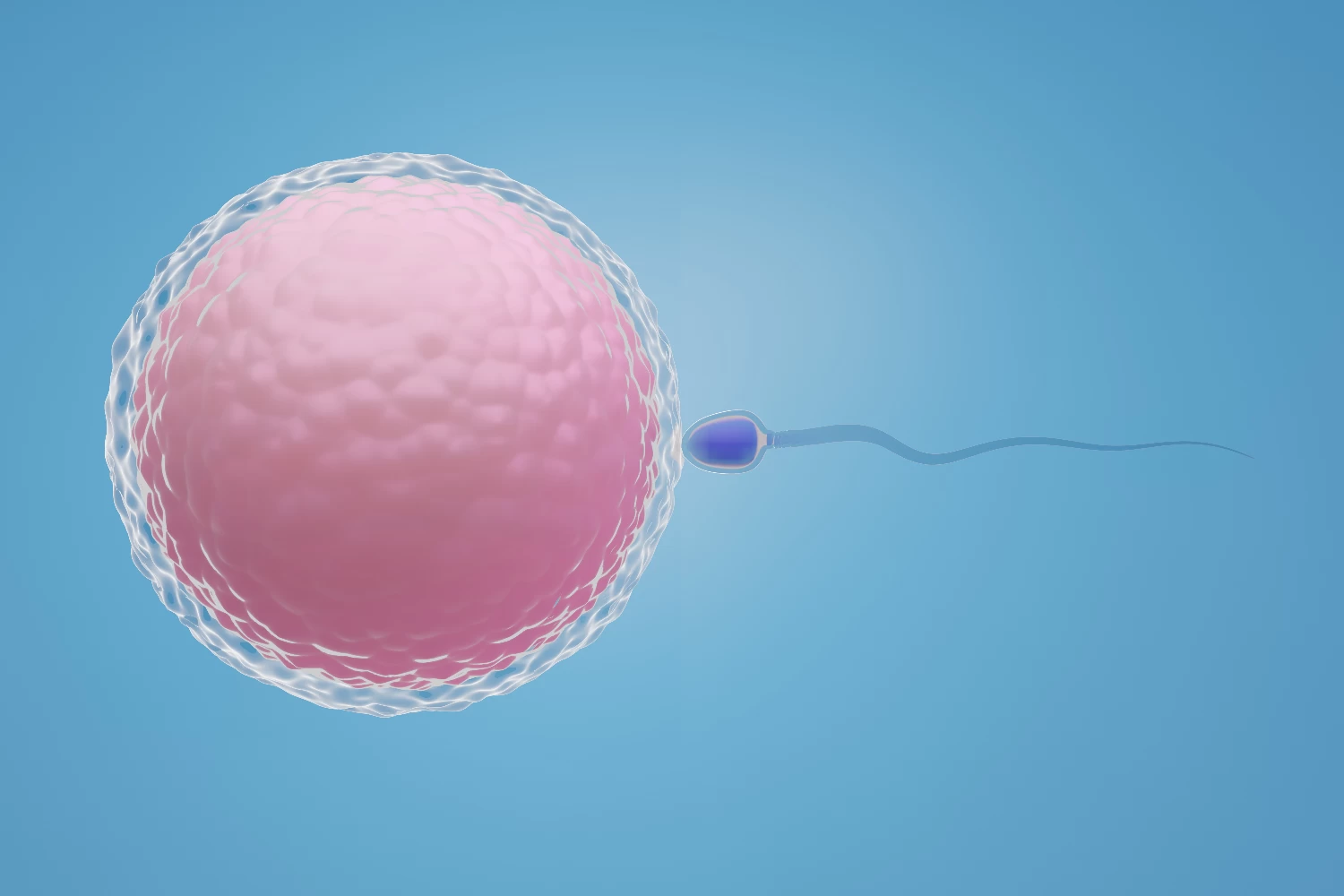
IVF is one of the most advanced and widely used fertility treatments, involving the fertilization of eggs outside the body. IVF is typically recommended for couples facing infertility due to blocked fallopian tubes, male factor infertility, or unexplained infertility. IVF offers a comprehensive solution, providing multiple chances for conception through careful monitoring of the woman’s cycle, egg retrieval, and embryo transfer.
How IVF Works
During IVF (In vitro Fertilization), eggs are retrieved from the ovaries after being stimulated with fertility medications. These eggs are then fertilized in a laboratory with sperm, creating embryos. The embryos are cultured for several days before being transferred into the uterus. The procedure can be enhanced by using genetic testing (PGT) to select the healthiest embryos for transfer. IVF can also include the use of sperm or egg donors and gestational carriers for women who cannot carry a pregnancy.
Benefits Of IVF
-
Provides a comprehensive solution for a wide range of infertility issues.
- Increased chances of pregnancy for couples with complex infertility problems.
- Offers genetic screening options to avoid inherited diseases.
- Allows for the use of egg or sperm donors, and gestational carriers.
IVF Procedure Egg Retrieval
IVF is one of the most advanced and widely used fertility treatments, involving the fertilization of eggs outside the body. IVF is typically recommended for couples facing infertility due to blocked fallopian tubes, male factor infertility, or unexplained infertility. IVF (In vitro Fertilization) offers a comprehensive solution, providing multiple chances for conception through careful monitoring of the woman’s cycle, egg retrieval, and embryo transfer.
When is it recommended
-
Blocked fallopian tubes or tubal factor infertility.
- Male infertility (low sperm count or motility).
- Severe endometriosis or pelvic issues.
- Unexplained infertility after multiple unsuccessful cycles.
- Women with failed IUI cycles or multiple miscarriages.
IVF Success Rate
IVF success rates depend on factors such as the woman’s age, ovarian reserve, and underlying fertility conditions. Typically, IVF success rates range from 30-40% per cycle for women under 35. Success rates decrease with age, particularly after 40, but IVF remains one of the most effective treatments for infertility across various causes.