

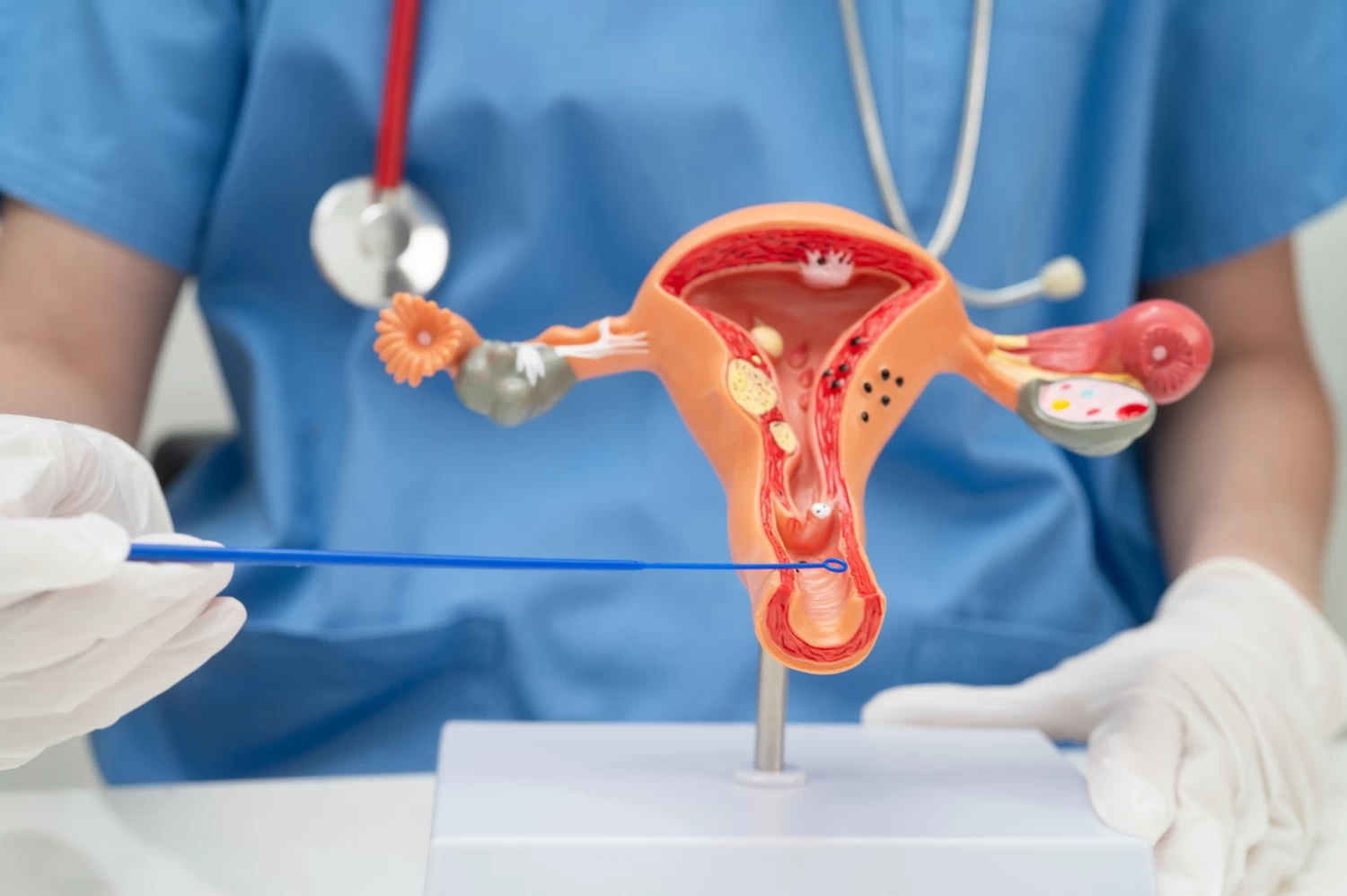
Noticing vaginal looseness? Learn why vaginal tightening is done, how it works, and when doctors recommend the procedure.
How Vaginal Tightening Treatment Is Done
Treatment choice depends on the woman’s level of laxity, concerns, and expectations.
1. Non-Surgical Vaginal Tightening (Laser / RF Treatment)
Non-surgical treatments such as laser vaginal tightening or radiofrequency vaginal tightening use gentle heat energy inside the vaginal canal. This stimulates collagen and elastin production, which naturally tightens and rejuvenates the tissues.
Key points:
- No cuts, stitches, or anaesthesia
- 10–15-minute clinic session
- Improves lubrication and firmness
- Minimal discomfort and no downtime
This option is ideal for postpartum or menopausal women looking for quick, non-invasive results.
2. Surgical Vaginal Tightening (Vaginoplasty)
For women with significant laxity, vaginoplasty may be recommended. In this procedure, the surgeon tightens the vaginal muscles and removes excess tissues to restore firmness and support.
Key points:
- Long-lasting tightening
- Corrects severe laxity
- May improve urinary support
- 4–6 weeks healing period
This option offers a more dramatic and durable improvement
Benefits of Vaginal Tightening
- Restores tightness and elasticity
- Enhances sexual pleasure and comfort
- Reduces vaginal dryness and irritation
- Helps with mild stress urinary leakage
- No downtime with non-surgical treatments
- Supports postpartum recovery
- Improves confidence and intimate wellness
- Helpful for age-related or hormonal change
Types of Vaginal Tightening Procedures
Non-Surgical Laser / RF Tightening
Devices like fractional CO₂ laser or RF gently heat the vaginal tissue to trigger collagen growth.
Benefits:
- Quick sessions
- Safe and comfortable
- Immediate routine return
- Improves lubrication
- Reduces mild incontinence
Multiple sessions may be recommended for best results.
Surgical Vaginoplasty
Best for women with severe laxity after multiple childbirths or ageing.
Benefits:
- Long-term results
- Restores pelvic support
- Enhances external appearance if needed
When Is Vaginal Tightening Recommended?
-
Vaginal looseness after childbirth
- Menopause-related vaginal changes
- Reduced sexual satisfaction
- Discomfort or dryness during intercourse
- Mild urinary leakage
- Age-related tissue laxity
- Loss of confidence in intimate life
Women seeking stronger vaginal support and improved comfort often benefit significantly from these treatments.
Success Rate of Vaginal Tightening
Non-surgical treatments show high satisfaction, with most women noticing better tightness, lubrication, and comfort within a few weeks.
Surgical tightening offers more permanent and noticeable results for severe laxity.
Overall, vaginal tightening treatments provide excellent improvement in intimate comfort, function, and confidence.