

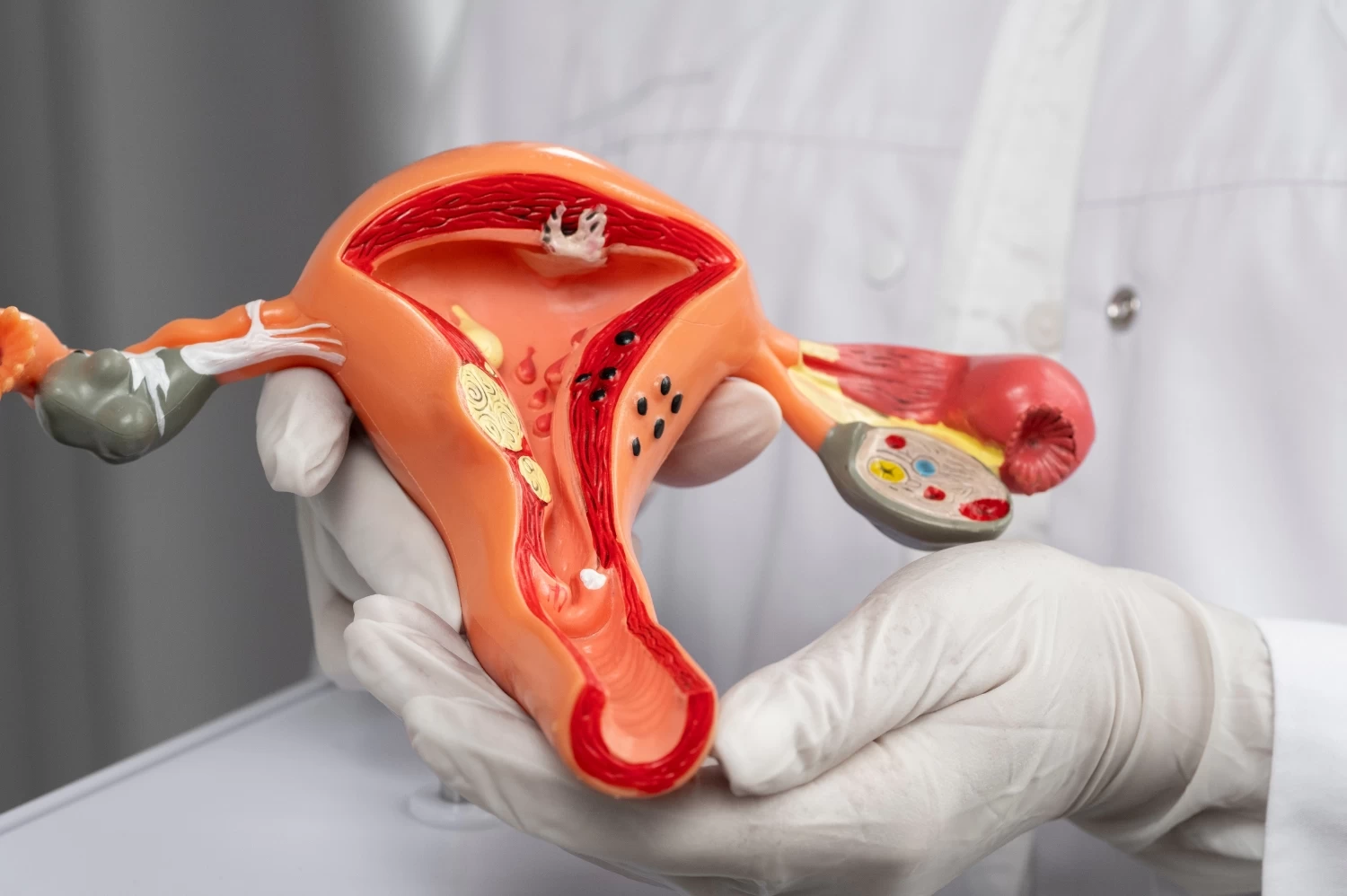
Hymenoplasty explained—common reasons, procedure details, and recovery insights women often want to know before treatment.
How Hymen Repair Works
During hymenoplasty, the surgeon brings together the torn edges of the hymen and stitches them delicately to recreate a natural, thin membrane. If the original hymen tissue is not available, vaginal skin or a bio-compatible tissue is used to build a new hymen.
The procedure is usually done under local anesthesia, takes 30–45 minutes, and is performed on an outpatient basis.
Hymen repair ensures the creation of a small opening for menstrual flow and restores the original appearance of the hymenal ring. The results look natural and heal completely in a few weeks.
Benefits of Hymen Repair
-
Restores the appearance of an intact hymen
- Repairs accidental or non-sexual tears caused by exercise, tampon use, or injury
- Helps women feel emotionally or culturally reassured
- Supports better confidence and peace of mind
- Safe procedure with minimal discomfort
- Short healing time and natural-looking results
- Can tighten mild vaginal laxity in some women
Hymenoplasty offers long-term results and is one of the most preferred cosmetic gynecology procedures today.
Procedure Of Hymen Repair (Hymenoplasty)
Hymenoplasty is a quick and simple procedure done under local anesthesia. The surgeon gently stitches the hymenal remnants together, leaving a small, natural opening.
If enough hymenal tissue is not present, a new hymen can be created using vaginal skin flaps or a synthetic layer. The tissue is arranged to allow proper blood supply and natural healing.
The excess tissue is trimmed neatly, and the repaired membrane appears thin and delicate, just like the original hymen. The patient can go home the same day.
When is Hymen Repair Recommended
Hymenoplasty is recommended for women who:
- Have had accidental hymen tears due to exercise, tampon use, or injury
- Want to restore the hymen for emotional or cultural reasons
- Have discomfort due to a thick or abnormally structured hymen
- Need correction of a blocked or septate hymen
- Want to repair hymenal tissue after childbirth-related stretching
- Seek psychological comfort or self-confidence through hymen restoration
Women choosing this procedure may have sexual or non-sexual reasons, and the decision is entirely personal.
Success Rate of Hymen Repair
Hymen repair has a very high success rate, with results looking natural and long-lasting.
When post-procedure instructions are followed—such as avoiding strenuous exercise and intimacy during the healing period—most women experience smooth recovery and excellent outcomes.
The success rate of hymenoplasty is typically over 95%, depending on healing response and tissue structure.