

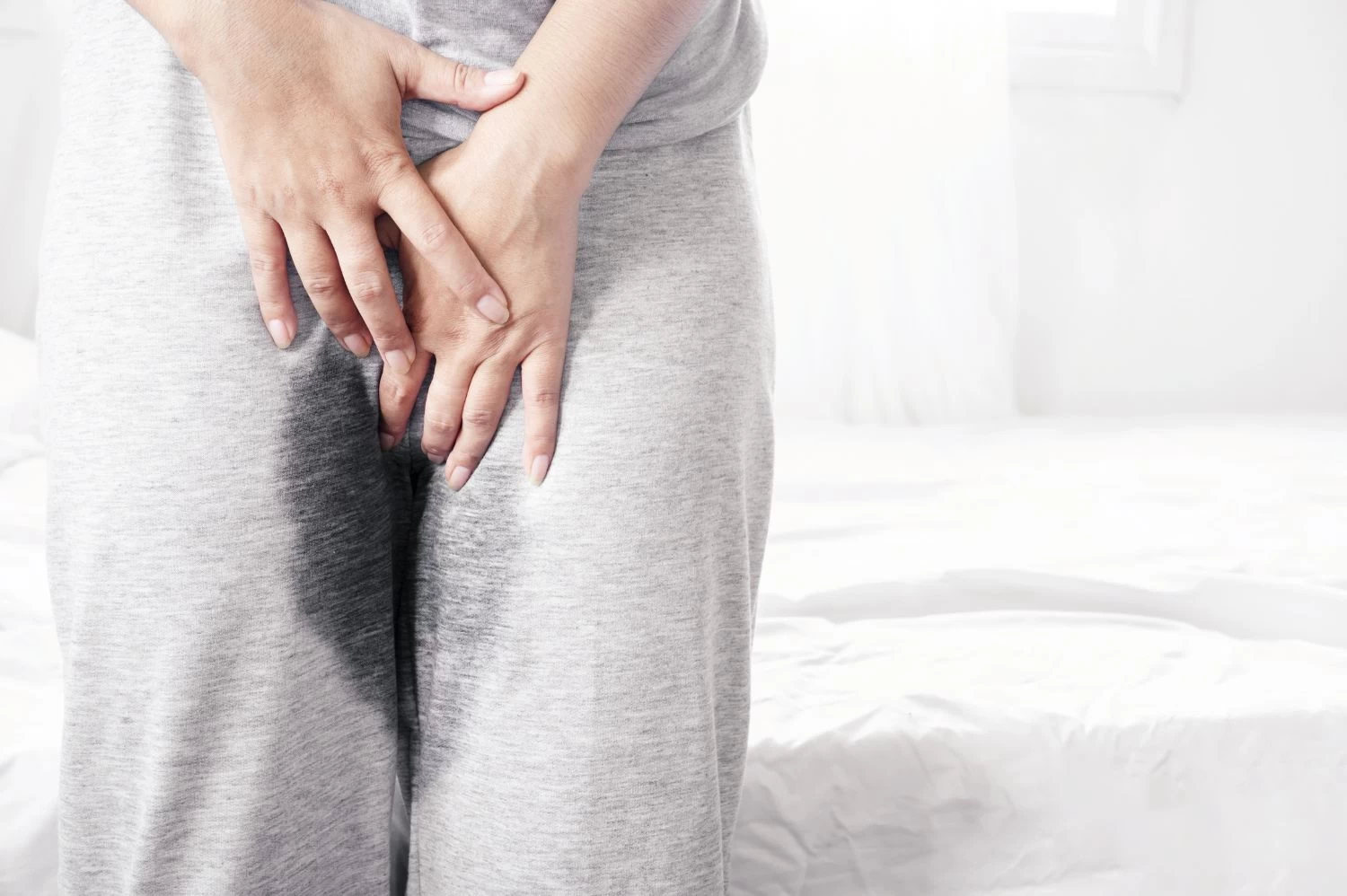
Urinary incontinence is the loss of bladder control, which can lead to accidental leakage of urine. It may happen occasionally, such as while coughing or sneezing, or it may involve a sudden, strong urge to pass urine that is difficult to control.
Although urinary incontinence is more common as people grow older, it is not a normal part of aging. With proper diagnosis and treatment, most people can manage or significantly improve their symptoms.
Urinary incontinence can affect daily life, confidence, and social activities, but medical care can help restore comfort and control.
How Urinary Incontinence Occurs
Urinary incontinence happens when the muscles that control the bladder or urethra do not work properly. This may be due to weak pelvic floor muscles, nerve problems, bladder irritation, hormonal changes, or difficulty emptying the bladder fully.
The condition can be temporary or long-term, depending on the cause. Identifying the type of incontinence is important to choose the right treatment.
Types of Urinary Incontinence
There are several common types of urinary incontinence:
Stress Incontinence
Leakage occurs when pressure is placed on the bladder, such as during coughing, sneezing, laughing, exercising, or lifting heavy objects.
Urge Incontinence
A sudden and strong need to urinate followed by involuntary leakage. This type may cause frequent urination, including during the night.
Overflow Incontinence
Occurs when the bladder does not empty completely, leading to constant or frequent dribbling of urine.
Functional Incontinence
Physical or mental conditions prevent a person from reaching the toilet in time, even when bladder control is normal.
Mixed Incontinence
A combination of two or more types, most commonly stress and urge incontinence together.
Benefits of Early Evaluation and Treatment
Timely medical care for urinary incontinence can help:
• Improve bladder control and daily comfort
• Restore confidence and social freedom
• Reduce night-time urination and sleep disturbance
• Prevent skin irritation and infections
• Reduce stress and embarrassment
• Detect underlying medical conditions early
Early treatment often gives better and faster results.
Tesla Chair Therapy for Urinary Incontinence
Tesla Chair is a non-invasive treatment that strengthens the pelvic floor muscles, which play a key role in bladder control. Weak pelvic muscles are a common cause of urine leakage in both women and men.
The Tesla Chair uses electromagnetic stimulation to activate deep pelvic muscles without pain or surgery. The patient sits fully clothed, and each session lasts about 30 minutes. Stronger pelvic muscles help reduce urine leakage, urgency, and frequency.
In men, Tesla Chair therapy also helps improve pelvic muscle strength, which supports better erectile function and may assist in managing erectile dysfunction by improving blood flow and muscle control in the pelvic region.
Laser Therapy for Urinary Incontinence
Laser therapy is a safe, non-surgical option that improves tissue strength and support around the bladder and urethra. It works by stimulating collagen production and tightening weakened tissues.
Laser therapy can help reduce urine leakage, urgency, and bladder weakness, especially in women with stress incontinence or post-childbirth pelvic laxity. The procedure is quick, painless, and requires no downtime.
Procedure for Urinary Incontinence Evaluation
Evaluation is simple and patient-friendly. The doctor will discuss symptoms, lifestyle habits, and medical history. Basic tests may be advised to understand bladder function and identify the type of incontinence.
Based on the diagnosis, treatment may include lifestyle changes, pelvic floor exercises, medications, Tesla Chair therapy, laser treatment, or a combination approach.
When to See a Doctor
Medical advice should be sought if:
• Urine leakage happens frequently
• Incontinence affects daily activities or social life
• There is a sudden urge to urinate that is hard to control
• Urine leakage occurs at night
• Bladder problems cause discomfort, embarrassment, or stress
Ignoring symptoms may worsen the condition, while early care can bring significant relief.
Success Rate
Urinary incontinence is highly manageable in most cases. With the right treatment plan, many people experience clear improvement in bladder control and quality of life.
With proper medical guidance and advanced options like Tesla Chair and laser therapy, symptoms can be reduced and confidence can be restored.