

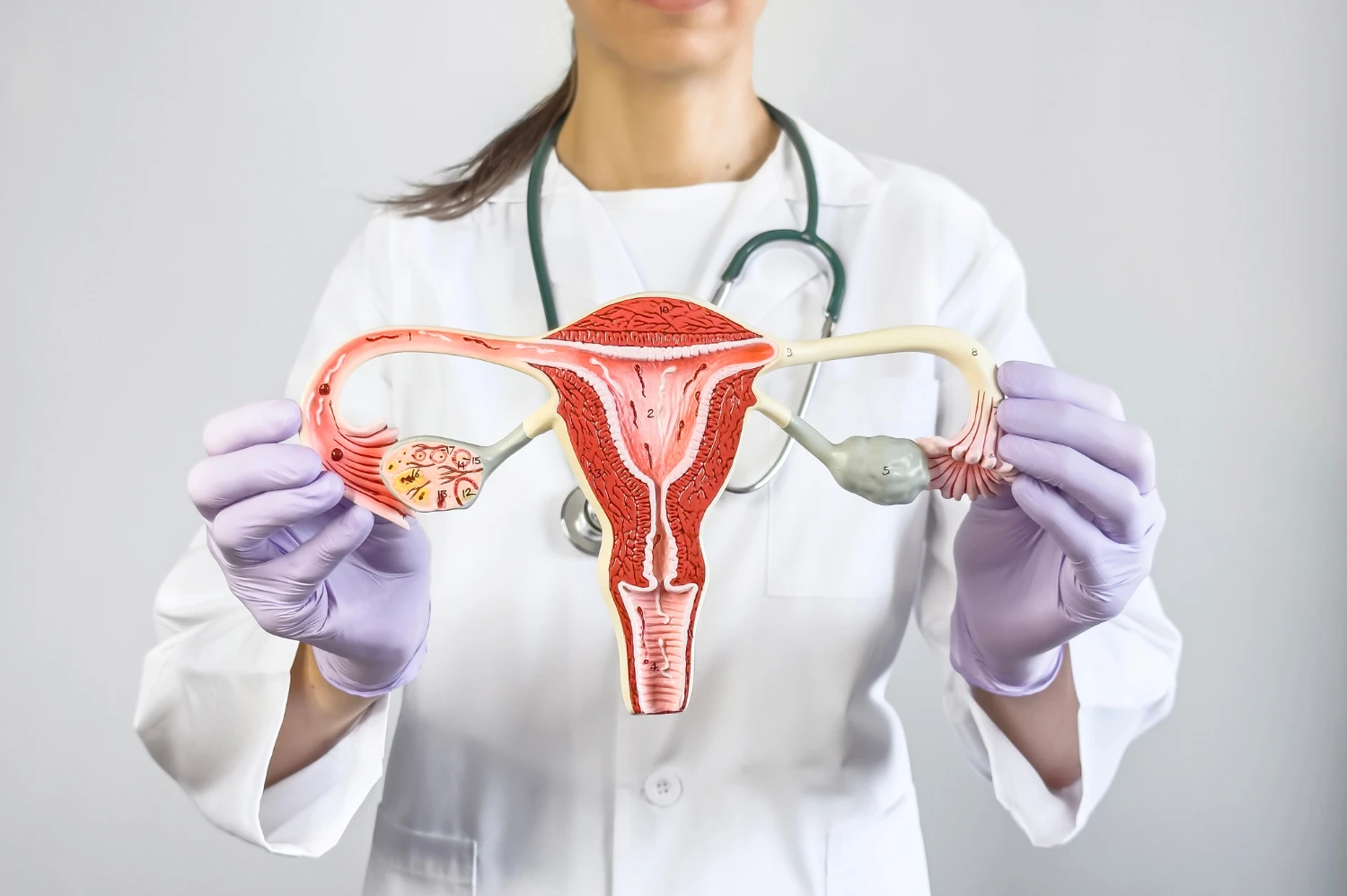
Does your body tense up on its own whenever you try to have sex, use a tampon, or go for a pelvic check-up?
This could be vaginismus — a common and treatable condition. Learn what causes it and how it's treated.
Vaginismus is when the muscles around the vaginal opening tighten up on their own, without you meaning for it to happen. This can make penetration difficult or painful — whether it's during sex, a pelvic exam, or even something as simple as inserting a tampon. It's more common than most women realise, and it's not something you have to just live with. With the right care, it can be treated.
How It Happens
With vaginismus, the muscles near the vaginal opening clench up the moment penetration is attempted. This isn't something you're doing on purpose — it happens automatically, almost like a reflex, and it can be hard to relax even when you want to.
This tightening can show up in different situations, such as:
- Trying to insert a tampon
- Having sex with a partner
- Using a sex toy or finger
- Going for a pelvic exam, where the doctor needs to use an instrument
For some women, this happens the very first time they try any of these. For others, it can start later in life, even after years of not having any trouble at all — sometimes after childbirth, an infection, surgery, or a stressful experience.
The tightness itself can range from mild discomfort to sharp, intense pain. Some women feel it every single time, while others notice it only in certain situations.
Why Does This Happen?
Doctors don't always know the exact reason behind vaginismus, but the most common explanation is fear. If the body expects pain, it can automatically tense up to "protect" itself — and that tensing is what actually ends up causing the pain. Over time, this can turn into a cycle: fear leads to tightening, tightening leads to pain, and the pain leads to even more fear the next time.
Some things that may contribute to this include:
- A painful or upsetting pelvic exam in the past
- A difficult or painful childbirth
- A painful experience during sex
- Worry or nervousness about sex in general
- Negative feelings or beliefs about sex, often from upbringing or past experiences
- Pain from an infection, like a yeast infection
- Past sexual trauma or abuse
It's also worth knowing that vaginismus can happen even without any clear emotional cause behind it. Either way, it's not something you brought on yourself, and it's not something you have to manage alone.
Benefits of Getting Treatment
Getting help for vaginismus can make a real difference, both physically and emotionally. Some of the benefits include:
- Less pain and tension during penetration
- Being able to enjoy intimacy without fear or worry
- Easier, less stressful pelvic exams
- Breaking the cycle of fear and tightening for good
- Better chances of conceiving, if difficulty with penetration has been a barrier
- Reduced stress, anxiety, and low mood linked to the condition
- Stronger, more comfortable relationships with your partner
- A renewed sense of confidence in your own body
Left untreated, vaginismus doesn't tend to go away by itself. But the earlier it's addressed, the sooner things start to feel easier.
Procedure / How Vaginismus Is Managed
There's no single fix that works for everyone — treatment is built around your specific experience, and it usually works best when it addresses both the physical tightening and the emotional side behind it. Your doctor may suggest one or a mix of the following:
1. Pelvic Floor Physical Therapy
A pelvic floor specialist works with you on gentle exercises that teach your muscles how to relax instead of clenching. Over time, this helps reduce the automatic tightening response and makes penetration far more comfortable.
2. Talk Therapy
Speaking with a counsellor or sex therapist can help you work through any fear, anxiety, or past experiences that may be connected to your symptoms. This kind of support can also help you and your partner talk openly about what you're going through, so you're facing it together rather than alone.
3. Vaginal Dilator Therapy
Dilators are smooth, tube-shaped tools that come in a range of sizes, from very small to larger. You start with the smallest size and slowly work your way up at your own pace, done privately at home. This gently trains the body to get used to penetration without pain. Your doctor will walk you through exactly how to use them safely.
Many women see the best results when these approaches are used together rather than just one on its own. It's also common to need a few weeks to a few months before noticing real improvement — this is a gradual process, not an overnight fix, so patience really matters here.
When Is Treatment Recommended?
You may want to speak to a doctor about vaginismus if you notice:
- Your muscles tighten up on their own whenever penetration is attempted
- Pain or difficulty using a tampon
- Fear or discomfort around pelvic exams
- Pain that's affecting your sex life or intimacy with your partner
- A pattern of avoiding sex because you're afraid it will hurt
- Trouble conceiving because penetration is difficult
- Stress, low mood, or relationship strain connected to these symptoms
If any of this sounds familiar, especially if it's been going on for a while, it's worth getting checked. A proper diagnosis rules out any other physical cause and opens the door to treatment that actually works for you.
Success Rate
The good news is that vaginismus responds well to treatment in most cases. Research shows that around 4 out of every 5 women see real, meaningful improvement when they combine more than one type of treatment — for example, talk therapy along with pelvic floor exercises.
With the right support, most women go on to experience:
- Noticeably less tightness and pain over time
- A growing sense of comfort and ease with penetration
- More confidence and less fear around intimacy
- A more fulfilling and relaxed sex life
Healing isn't always a straight line, and it can take time — but with consistent care and the right team supporting you, lasting improvement is absolutely possible.