

Many women first hear the words “bicornuate uterus” during an ultrasound or while checking why they have had a miscarriage. It sounds scary, and a quick online search can make it feel even worse.
The truth is much calmer. Most women with this condition are able to get pregnant, and many have healthy babies with proper care and regular check-ups.
In this blog, we explain the bicornuate uterus meaning, how it can affect pregnancy, what treatment is available and what to expect, in simple words.
What Is a Bicornuate Uterus? (Meaning in Simple Words)
A normal uterus (womb) is shaped like an upside-down pear. It has one open space inside where the baby grows.
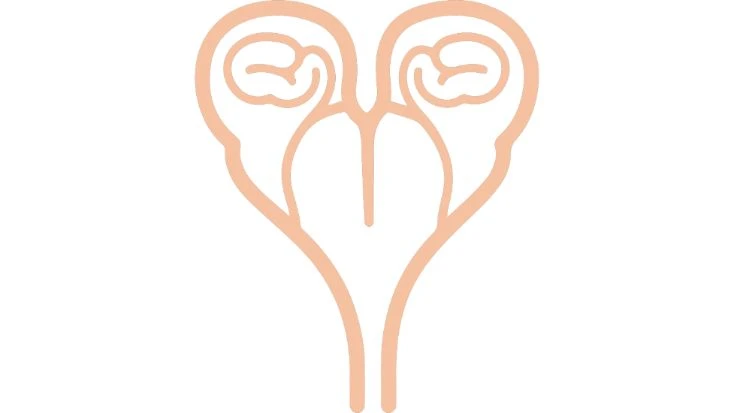
A bicornuate uterus is a uterus with a different shape. The top part of the womb is pulled in the middle, so it looks a bit like a heart with two “horns.” The word “bicornuate” simply means “having two horns.” You can read a general definition of this uterine anomaly for more background.
Some key points to know:
- It is present from birth. A girl is born with it, and it forms while she is developing in her mother’s womb.
- It is not caused by anything you did or did not do.
- It is not an illness and not a disease.
- It is not very rare. It is one of the more common differences in the shape of the womb.
Many women do not know they have it until they have a scan, a pregnancy that does not go as expected, or a fertility check. Some women have no symptoms at all.
It is also worth knowing that a bicornuate uterus is different from a septate uterus, where a wall of tissue divides the inside of the womb. These two conditions can look similar on a basic scan, but they are managed differently. This is why a proper evaluation by a specialist is important.
How Does a Bicornuate Uterus Affect Pregnancy?
Let us look at the bicornuate uterus pregnancy picture honestly. Most women can conceive naturally. The shape of the womb does not usually stop an egg from being fertilised. However, because the womb has less room to stretch and the blood supply may be different, some risks are higher. These may include:
1. Miscarriage: The chance of losing a pregnancy, especially in the second trimester, may be somewhat higher than in a normal womb.
2. Early (preterm) labour: The womb may not stretch as well as the baby grows, so contractions can start earlier than expected.
3. Baby in an unusual position: The baby may lie bottom-down (breech) or sideways, because the womb shape leaves less space to turn.
4. Slower baby growth: In some cases, the baby may grow a little slower due to limited space.
5. Higher chance of a C-section: This is mostly due to the baby’s position or early labour.
Please remember that these are possible risks and not certainties. Many women with a bicornuate uterus do not face any of these problems. Each woman’s situation is different.
Bicornuate Uterus Pregnancy Success: What Can You Expect?
This is the question most women ask, and understandably so. The honest answer is that many women with a bicornuate uterus go on to have a successful pregnancy and deliver a healthy baby. At the same time, the outcome depends on several things, such as:
- How deep the division of the womb is
- Your age and general health
- Whether you have had earlier miscarriages or early deliveries
- Any other fertility problems, such as hormone issues, PCOS or blocked tubes
- How closely the pregnancy is watched
Because every woman is different, no doctor can promise a result. What a specialist can do is look at your reports, explain your own chances clearly and plan your care so that risks are noticed early. Regular follow-up makes a real difference.
Bicornuate Uterus Treatment: What Are the Options?
The first thing to know is that most women with a bicornuate uterus do not need surgery. Treatment depends on your history and what you are planning.
If you have no problems so far:
Often, no treatment is needed. Your doctor may simply suggest regular scans and check-ups when you plan a pregnancy.
During pregnancy:
- Closer monitoring: More frequent scans to check the baby’s growth, position and the length of the cervix (the mouth of the womb).
- Cervical stitch (cerclage): If the cervix is short or you have had earlier late miscarriages or early births, your doctor may discuss whether a stitch around the cervix could help. This is not needed for everyone.
- Planning the delivery: If the baby is breech or in a sideways position, your doctor will discuss the safest way to deliver.
- Rest and lifestyle advice: Based on your case.
Surgery:
In a small number of women, usually those who have had repeated pregnancy losses with no other cause found, a doctor may talk about a surgery to join the two sides of the womb. This is not a routine step and is only considered after full evaluation and a clear discussion of benefits and risks.
If you are having trouble conceiving:
A bicornuate uterus alone does not usually cause infertility. If you are not getting pregnant, your doctor will look for other reasons too. Tests may include hormone blood tests, an ultrasound, a 3D scan or MRI to confirm the womb shape, and a dye test (HSG) to check the tubes. If other treatments are needed, such as IUI or IVF, they can still be done. In IVF, doctors often prefer to transfer fewer embryos at a time, since twins can add more risk in a womb with this shape.
When Should You See a Doctor?
Think about speaking with a fertility specialist if:
- You have been told you have a heart-shaped or bicornuate uterus
- You have had two or more miscarriages
- You have had a baby born too early
- You have been trying to conceive for a year (or six months if you are over 35)
- You have very painful periods or unusual period patterns
- You are planning a pregnancy and want to understand your risks first
Early advice allows time to plan, test and prepare, instead of facing surprises later.
Consult Dr. Aradhya Achuri, Fertility Expert in Hyderabad
Dr. Aradhya Achuri is a fertility expert in Hyderabad who works with couples facing difficulty in conceiving, repeated pregnancy loss and conditions of the womb. She believes in explaining each step clearly, so that patients understand their reports and options before making any decision.
If you have been diagnosed with a bicornuate uterus or are unsure about your scan report, you can visit draradhyaachuri.com to learn more about consultation and care.
Disclaimer: This blog is for general information only and is not a substitute for medical advice. Please consult a qualified doctor for advice about your own health.
Final Thoughts
A bicornuate uterus can sound worrying, but it is a known condition that doctors manage well. Many women with it carry their pregnancy to term and deliver healthy babies. The key is to know your diagnosis, get a proper evaluation and stay in regular touch with your doctor from the start of pregnancy.
Frequently Asked Questions
1. What is the meaning of bicornuate uterus?
It means a uterus that is heart-shaped, with two “horns” at the top instead of one rounded top. A woman is born with it.
2. Can I get pregnant with a bicornuate uterus?
Yes, in most cases. Many women conceive naturally. Some may face a higher chance of miscarriage or early labour, so regular check-ups are important.
3. Does a bicornuate uterus always need treatment?
No. Many women need no treatment at all. Surgery is considered only in selected cases, such as repeated pregnancy loss, after full evaluation.
4. Is normal delivery possible with a bicornuate uterus?
It depends on the baby’s position and your own situation. Some women deliver normally, while others may need a C-section. Your doctor will guide you closer to delivery.
5. How is a bicornuate uterus diagnosed?
Through imaging tests such as an ultrasound (often 3D), MRI or HSG. A specialist reads these reports to confirm the exact shape of the womb.