

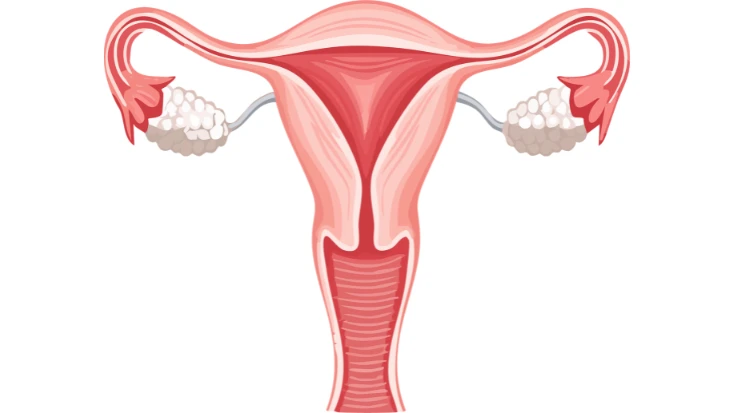
Vaginismus is a condition in which the muscles around the vaginal opening tighten involuntarily when penetration is attempted. This can make sexual intercourse painful or difficult and may also make tampon insertion or a gynaecological examination uncomfortable.
Many women feel embarrassed or hesitate to talk about this problem, but vaginismus is a treatable medical condition. With the right diagnosis and treatment, many women can become more comfortable with penetration and improve their sexual and reproductive health.
In this blog, Dr. Aradhya Achuri, Fertility Expert in Hyderabad, explains what vaginismus is, its symptoms, causes and available vaginismus treatment options.
What Is Vaginismus?
Vaginismus occurs when the pelvic floor and vaginal muscles tighten automatically during an attempt at penetration. The tightening is not intentional and may happen even when a woman wants to have intercourse.
The condition can range from mild discomfort to severe pain, making penetration difficult or sometimes impossible. It may also occur during:
- Sexual intercourse
- Tampon or menstrual cup insertion
- Pelvic examination
- Insertion of other objects into the vagina
Some women may feel as if there is a “wall” or blockage at the vaginal opening. This can create fear of pain, which may cause the muscles to tighten even more.
Vaginismus does not necessarily affect sexual desire or the ability to feel aroused. However, repeated painful experiences can affect confidence, intimacy and relationships.
What Are the Symptoms of Vaginismus?
The symptoms of vaginismus can be different for every woman. Some may experience mild discomfort, while others may be unable to tolerate penetration.
Common symptoms include:
- Pain or burning during attempted penetration
- Tightness around the vaginal opening
- Feeling that penetration is being blocked
- Involuntary tightening of the vaginal or pelvic muscles
- Fear or anxiety about sexual intercourse
- Difficulty inserting tampons or menstrual cups
- Pain during a pelvic examination
- Avoiding sexual intercourse because of fear of pain
- Muscle tension in the thighs, abdomen or pelvic area
Pain may feel like pressure, cramping, burning or a sensation of hitting a barrier.
If these symptoms are affecting your relationship, daily life or attempts to become pregnant, it is important to speak with a doctor rather than continuing to tolerate the pain.
What Causes Vaginismus?
There is no single cause of vaginismus. It can develop because of a combination of physical, emotional and psychological factors.
Some possible vaginismus causes include:
- Fear or anxiety related to sexual intercourse
- Previous painful sexual experiences
- Past physical, emotional or sexual trauma
- Vaginal infections or other painful conditions
- Pelvic surgery or injury
- Childbirth-related trauma
- Painful periods or other pelvic pain
- Endometriosis or pelvic inflammatory conditions
- Fear of pregnancy or sexually transmitted infections
- Lack of proper information about sexual health
- Relationship stress or lack of emotional comfort
In some women, the condition may begin from the first attempt at penetration. This is called primary vaginismus. In others, it develops after a period when intercourse was previously comfortable, which is known as secondary vaginismus.
How Is Vaginismus Diagnosed?
A doctor will usually discuss your symptoms, medical history and previous experiences before recommending treatment. A gentle examination may be performed to rule out other conditions that can cause pain during intercourse.
It is important to distinguish vaginismus from dyspareunia, which is the medical term for painful sexual intercourse. Pain during intercourse can have several causes, including infections, pelvic conditions, cysts or vaginal dryness.
A proper diagnosis helps determine whether the pain is mainly related to involuntary muscle tightening or another underlying condition.
How to Treat Vaginismus?
Many women ask, “How to cure vaginismus?” The good news is that appropriate treatment can significantly improve symptoms. The treatment plan depends on the cause, severity and individual needs of the woman.
Pelvic Floor Physiotherapy
Pelvic floor therapy can help women learn to relax and control tight pelvic muscles. Specific exercises, relaxation techniques and other methods can help to reduce muscle tension.
Vaginal Dilator Therapy
Vaginal dilators are devices available in gradually increasing sizes. Under proper guidance, they can help the muscles and vaginal tissues become more comfortable with penetration. Treatment should be started gradually and should not be forced.
Counselling or Psychosexual Therapy
When fear, anxiety or previous trauma contributes to vaginismus, counselling can be an important part of treatment. Therapy can help reduce fear, understand emotional triggers and develop a more comfortable approach to intimacy.
Relaxation and Breathing Exercises
Deep breathing, mindfulness and relaxation techniques may help reduce anxiety and pelvic muscle tension. These techniques can be used along with other treatments rather than as a replacement for medical care.
Other Treatments
Depending on the individual case, a doctor may consider additional treatments for pain or muscle spasm, such as botulinum toxin (Botox) injections. The treatment should always be selected after proper evaluation rather than trying random home remedies.
Can Vaginismus Affect Pregnancy?
Vaginismus does not usually mean that a woman is infertile. However, if vaginal penetration is very painful or impossible, it can make regular intercourse difficult and may indirectly make it harder to conceive.
Women who are trying to become pregnant and are experiencing vaginismus should discuss the problem with a fertility specialist in Hyderabad. Addressing the underlying condition can make attempts at conception more comfortable.
If pregnancy is difficult because intercourse is not possible, a fertility specialist can also discuss appropriate fertility options based on the couple's individual situation.
When Should You See a Doctor?
Do not ignore persistent pain during intercourse or feel that you simply have to live with it. You should consider consulting a doctor if:
- Penetration is painful or impossible
- You cannot use tampons or menstrual cups because of pain
- Pelvic examinations are difficult
- You experience severe fear before intercourse
- You are avoiding intimacy because of pain
- You are trying to conceive but intercourse is difficult
Early evaluation can help identify the cause and start suitable vaginismus treatment.
Conclusion
Vaginismus can be uncomfortable and emotionally difficult, but it is a treatable condition. Understanding the symptoms and identifying the factors causing pelvic muscle tightening are important first steps.
Treatment may include pelvic floor physiotherapy, vaginal dilator therapy, relaxation techniques, counselling and other medical approaches like botulinum toxin injections depending on the individual case. With proper guidance and patience, many women can improve their symptoms and feel more comfortable with intimacy.
If you are experiencing painful or difficult penetration or facing difficulty conceiving because of vaginismus, consult Dr. Aradhya Achuri, Fertility Expert in Hyderabad, for an appropriate evaluation and personalised treatment plan.
Frequently Asked Questions
1. What is vaginismus?
Vaginismus is involuntary tightening of the vaginal and pelvic floor muscles during attempted penetration, which can cause pain or make penetration difficult.
2. Can vaginismus be cured?
Vaginismus is treatable, and many women experience significant improvement with the right combination of therapies.
3. What is the best treatment for vaginismus?
Treatment depends on the cause. Pelvic floor physiotherapy, vaginal dilators, counselling and relaxation techniques are commonly used.
4. Can vaginismus cause infertility?
Vaginismus itself does not usually cause infertility, but painful or impossible intercourse can make natural conception difficult.
5. Should I see a fertility specialist for vaginismus?
Yes, especially if vaginismus is affecting intercourse or making it difficult to conceive. A fertility specialist can help identify suitable treatment and fertility options.