

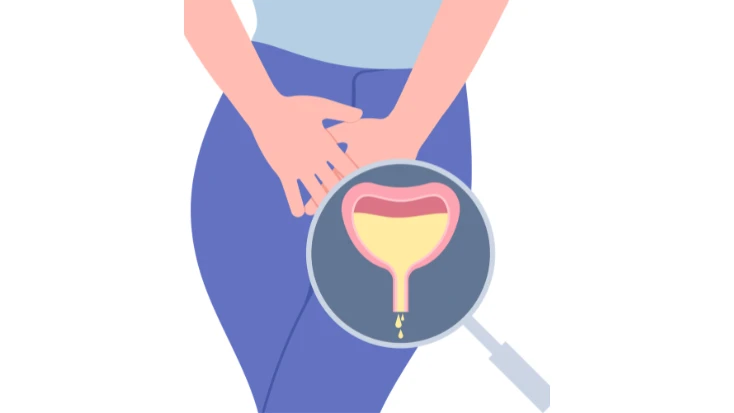
Urinary incontinence in women means accidentally leaking urine when you do not want to. It is a common problem and can happen at different stages of life. Some women may notice leakage while coughing, sneezing, laughing, exercising, or lifting something heavy. Others may feel a sudden and strong need to urinate and may not reach the bathroom in time.
Although urinary incontinence can be uncomfortable or embarrassing, it is not something women have to simply live with. In many cases, the condition can be managed with lifestyle changes, pelvic floor exercises, medicines, or other treatments.
Dr. Aradhya Achuri, Fertility Expert in Hyderabad, explains the common women urinary incontinence causes, symptoms, diagnosis, and treatment options in simple terms.
What Is Urinary Incontinence in Women?
Urinary incontinence is the involuntary leakage of urine. It can range from a few drops of urine to more frequent or heavier leakage.
Women may develop bladder control problems during pregnancy, after childbirth, around menopause, or with increasing age. Weak pelvic floor muscles, urinary infections, certain medical conditions, and changes in the bladder can also contribute to the problem.
The good news is that women urinary incontinence treatment is available, and the right approach depends on the type and cause of leakage.
What Causes Urinary Incontinence in Women?
There is no single cause of urinary incontinence. Some common factors include:
- Pregnancy: The growing uterus can put pressure on the bladder.
- Childbirth: Vaginal delivery can weaken the pelvic floor muscles and tissues that support the bladder.
- Menopause: Lower oestrogen levels can affect the tissues around the bladder and urethra.
- Weak pelvic floor muscles: These muscles help control urine flow, and weakness can cause leakage.
- Urinary tract infections: An infection may cause temporary urgency and urine leakage.
- Constipation: Long-term constipation can put extra pressure on the bladder.
- Overweight or obesity: Extra pressure on the bladder may increase leakage.
- Certain medicines or health conditions: Some conditions affecting the nerves or bladder can also contribute to urinary problems.
Identifying the underlying cause is important before starting treatment.
Types and Symptoms of Urinary Incontinence
The symptoms of urinary incontinence in women can vary depending on the type.
Stress Incontinence
This is one of the common types. Urine may leak when you:
- Cough or sneeze
- Laugh
- Exercise
- Run or jump
- Lift something heavy
It usually happens because the pelvic floor and bladder-supporting muscles are not strong enough to prevent leakage when pressure increases.
Urgency Incontinence
This occurs when you suddenly feel a strong need to urinate and cannot hold the urine until reaching the bathroom. You may also need to urinate more frequently.
Overflow Incontinence
In this type, the bladder may not empty completely, leading to frequent or continuous leakage.
Functional Incontinence
A woman may have normal bladder control but may not be able to reach the toilet in time because of physical limitations or mobility problems.
Some women may also have a combination of more than one type.
How Is Urinary Incontinence Diagnosed?
If you experience repeated urine leakage, a doctor may first ask about your symptoms, medical history, pregnancy and childbirth history, medicines, and bladder habits.
Depending on your symptoms, evaluation may include:
- Physical and pelvic examination
- Urine test to check for infection
- Assessment of bladder habits
- Ultrasound when required
- Evaluation of pelvic floor strength
- Other bladder tests in selected cases
Keeping a bladder diary for a few days can also help your doctor understand how often you urinate, how much fluid you drink, and when leakage occurs.
A proper diagnosis helps identify the most suitable women urinary incontinence treatment.
Urinary Incontinence Treatment for Women
Treatment depends on the type and severity of incontinence. Your doctor may recommend one or more approaches.
Pelvic Floor Exercises
Kegel exercises strengthen the pelvic floor muscles that support the bladder. Regular and correct practice may help reduce urine leakage, particularly in stress incontinence.
A pelvic floor specialist may also guide you with exercises or biofeedback if needed.
Bladder Training
Bladder training involves gradually increasing the time between bathroom visits. It may be useful for women who experience frequent urination or urgency.
Lifestyle Changes
Simple changes can support bladder health:
- Maintain a healthy weight
- Drink adequate water
- Reduce excessive caffeine
- Avoid smoking
- Prevent constipation
- Stay physically active
It is not advisable to severely restrict fluids because this can sometimes make bladder problems worse.
Medicines
Depending on the type of urinary incontinence, medicines may help control bladder urgency or other symptoms. They should only be taken after medical evaluation and as advised by a doctor.
Other Treatments
If exercises, lifestyle changes, or medicines do not provide enough relief, other options may be considered. These can include bladder Botox injections, nerve stimulation, urethral bulking procedures, or surgery in selected cases.
The treatment is always chosen according to the woman's symptoms, health, age, and personal needs.
When Should You See a Doctor?
Occasional bladder leakage should not be ignored if it keeps happening or affects your daily life. You should consider consulting a doctor if you:
- Frequently leak urine
- Have a sudden and uncontrollable urge to urinate
- Leak urine while coughing, sneezing, or exercising
- Wake up many times at night to urinate
- Feel that your bladder is not emptying properly
- Have pain, burning, blood in urine, or fever
- Avoid social activities because of bladder leakage
Early evaluation can help identify the cause and prevent the problem from affecting your confidence and quality of life.
Conclusion
Urinary incontinence in women is common, but it is not a normal problem that you simply have to accept. Pregnancy, childbirth, menopause, weak pelvic floor muscles, infections, and other health conditions can contribute to bladder leakage.
With the right diagnosis, many women can manage their symptoms successfully through pelvic floor exercises, bladder training, lifestyle changes, medicines, or other treatments.
If you are experiencing repeated urine leakage or bladder control problems, consult Dr. Aradhya Achuri, Fertility Expert in Hyderabad, for proper evaluation and guidance based on your individual condition.
Frequently Asked Questions
1. Can urinary incontinence in women be cured?
In many cases, symptoms can be significantly improved or controlled with the right treatment. The outcome depends on the underlying cause and type of incontinence.
2. Can Kegel exercises help with urine leakage?
Yes. Regular pelvic floor exercises can strengthen the muscles that support the bladder and may help reduce stress urinary incontinence.
3. Is urinary leakage after childbirth common?
Yes. Pregnancy and childbirth can weaken the pelvic floor muscles, which may lead to urine leakage. Proper exercises and treatment can often help.
4. When should I see a doctor for urinary incontinence?
See a doctor if leakage is frequent, getting worse, affecting daily activities, or occurring along with pain, burning, blood in urine, or other unusual symptoms.
5. What is the best treatment for urinary incontinence in women?
There is no single best treatment for everyone. The right women urinary incontinence treatment depends on the type, cause, severity, and overall health of the woman.