

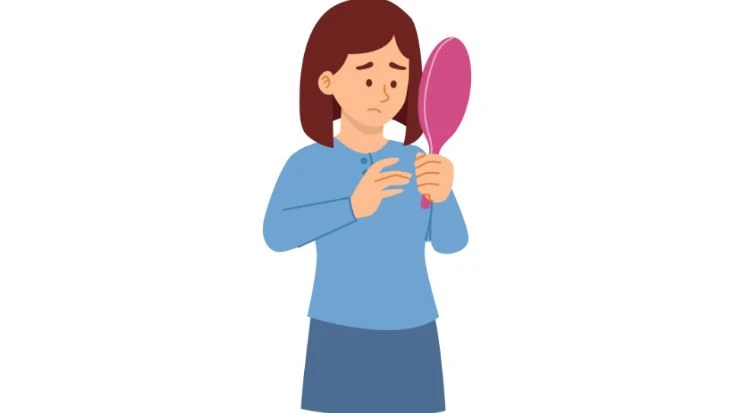
Have you been feeling tired for no reason? Gaining weight even though your diet has not changed? Or noticing that your periods have become unpredictable? Many people brush these things off as stress or a busy lifestyle
. But sometimes, your hormones are trying to tell you something.
Hormones are tiny chemical messengers that control many things in your body, from your mood and sleep to your periods and your ability to have a baby. When they go out of balance, you can feel it in many ways. In this blog, we explain the symptoms of hormonal imbalance in women, men and teenage girls in simple words, and when it is time to see a doctor.
What Is Hormonal Imbalance?
Your body makes more than 50 different hormones. They travel through your blood and tell your organs what to do and when to do it. Hormones help control your energy, weight, mood, sleep, growth, periods and fertility.
A hormonal imbalance simply means you have too much or too little of one or more hormones. Even a small change can make you feel quite different. Some imbalances are short-term and settle on their own, such as the changes during pregnancy or after a stressful month. Others last longer and need proper treatment.
Some general signs can show up in anyone, whatever their age or gender:
- Feeling tired all the time, even after a full night’s sleep
- Weight gain or weight loss that you cannot explain
- Mood swings, anxiety or low mood
- Trouble sleeping
- Feeling too hot or too cold more than others around you
- Dry skin, thinning hair or sudden acne
- Changes in appetite or digestion
If these signs stay for weeks and do not go away, it is a good idea to get checked.
Symptoms of Hormonal Imbalance in Women
The symptoms of hormonal imbalance in women are often linked to estrogen, progesterone and male hormones like testosterone, which women also make in small amounts. Because these hormones control the monthly cycle, the first clue is usually a change in periods.
Common symptoms of hormonal imbalance in females include:
- Irregular periods: Periods that come too early, too late or skip months
- Very heavy or very light periods
- Acne: Especially on the face, chest and back, often along the jawline
- Extra hair growth: Thick hair on the face, chest or belly
- Hair thinning or hair fall on the scalp
- Weight gain, mostly around the belly
- Hot flashes and night sweats
- Vaginal dryness and low interest in sex
- Headaches and breast tenderness
- Trouble getting pregnant
Perimenopause: Hormonal Changes Before Menopause
Hormonal changes in women are not always a problem to be fixed. Sometimes they are a natural stage of life. Perimenopause is the time leading up to menopause, when the ovaries slowly make less estrogen. It usually begins in the 40s, though some women notice changes in their late 30s, and it can last for several years.
Common perimenopause symptoms include:
- Periods that become irregular, heavier, lighter or further apart
- Hot flashes and night sweats
- Poor sleep and feeling tired
- Mood swings, low mood or irritability
- Vaginal dryness and low interest in sex
- Trouble focusing or “brain fog”
- Weight gain around the belly
These signs can look like other hormonal problems, such as thyroid issues, so it is wise to get checked instead of guessing. Please see a doctor if your bleeding is very heavy, your periods come very close together, or you bleed between periods or after intercourse. Pregnancy is still possible during perimenopause, although fertility goes down with age.
Hormonal problems are one of the most common reasons behind female infertility. Conditions such as PCOS (polycystic ovary syndrome) and thyroid problems can stop the ovaries from releasing an egg every month. The good news is that most of these conditions can be treated once they are found. If you have been trying to conceive for a year without success (or six months if you are above 35), do not wait. A fertility check can give you clear answers.
Symptoms of Hormonal Imbalance in Teenage Girls
Teenage years bring big changes, so it can be hard to tell what is normal and what is not. Periods may be irregular for the first year or two after they begin, and this is quite common. But some signs need attention.
Symptoms of hormonal imbalance in a teenage girl may include:
- Periods that have not started by the age of 15 or 16
- Periods that stay very irregular after two years, or stop suddenly
- Severe acne that does not improve with regular care
- Fast weight gain or trouble losing weight
- Dark, velvety patches of skin on the neck or underarms
- Thick hair growth on the face or body
- Hair fall, tiredness or constant mood changes
- Very painful or very heavy periods
Parents should not ignore these signs or simply say, “It will settle with time.” Early advice can help prevent bigger problems later, like PCOS, and also protect fertility in the future. Make sure your daughter feels comfortable talking about her periods and body without any shame.
Symptoms of Hormonal Imbalance in Men
Hormonal problems are not only a woman’s concern. Men can also have imbalances, most often with testosterone, the main male hormone. Many men do not talk about it, so it often goes unnoticed.
Symptoms of hormonal imbalance in men include:
- Low interest in sex
- Difficulty with erections
- Low sperm count or trouble becoming a father
- Loss of muscle and gain in belly fat
- Less hair on the face and body
- Breast tissue growth (gynecomastia)
- Constant tiredness and low energy
- Poor focus, low mood or irritability
Male hormone problems are a hidden reason in many couples who struggle to conceive. This is why doctors check both partners during a fertility evaluation. A simple blood test and a semen report can tell a lot about what is going on.
What Causes Hormonal Imbalance and How Is It Treated?
Hormone levels naturally go up and down during puberty, pregnancy and menopause. Beyond these stages, common causes include:
- Ongoing stress and poor sleep
- Being overweight or underweight
- Thyroid problems, which can be underactive or overactive (read more about thyroid conditions)
- PCOS in women
- Diabetes
- Certain medicines
- Smoking and too much alcohol
- Problems with glands such as the pituitary, adrenal or ovaries
How is it diagnosed? Your doctor will ask about your symptoms and health history, do a physical check, and advise blood tests to measure hormone levels. A scan may also be needed for women, to look at the ovaries and uterus.
How is it treated? Treatment depends on the cause. It may include hormone medicines, thyroid medicines, treatment for PCOS, or medicines to help ovulation. Many people also see big improvements with simple changes:
- Eat a balanced diet with fruits, vegetables, protein and whole grains
- Exercise at least 30 minutes most days
- Sleep 7 to 8 hours each night
- Manage stress through walking, yoga or talking to someone you trust
- Avoid smoking and limit alcohol
Please be careful with supplements and “hormone balancing” products you see online. Very few are proven, and some can make things worse. Always ask your doctor before taking them.
Consult Dr. Aradhya Achuri, Fertility Expert in Hyderabad
If you are noticing any of these symptoms, or if you are finding it hard to conceive, you do not have to figure it out alone. Dr. Aradhya Achuri is a fertility expert in Hyderabad who helps couples understand what is stopping them from becoming parents, including hormonal causes in both women and men.
She takes time to listen, explains every test in easy language, and creates a treatment plan that fits your health and your goals. Her approach is gentle, honest and focused on giving you real answers, not unnecessary treatments.
Book a consultation if you have:
- Irregular, missed, very heavy or painful periods
- Signs of PCOS such as acne, extra hair growth and weight gain
- Low sex drive or erection problems in men
- Trouble conceiving after one year of trying
- A teenage daughter with unusual or missing periods
You can visit draradhyaachuri.com to learn more and book your appointment.
Final Thoughts
Your body often gives early signals when something is off. Tiredness, mood changes, irregular periods, acne or low energy may seem small, but together they can point to a hormonal imbalance. The earlier it is found, the easier it is to treat. Listen to your body, and reach out to a specialist when something does not feel right.
Frequently Asked Questions
1. What are the first signs of hormonal imbalance in women?
Irregular periods are usually the first sign. Others include acne, hair fall, weight gain, mood swings, tiredness and poor sleep.
2. What are the symptoms of hormonal imbalance in a teenage girl?
Late or missed periods, very irregular cycles, severe acne, sudden weight gain and extra hair on the face or body are common signs. If they continue, see a doctor.
3. Can men have hormonal imbalance too?
Yes. Men can have low testosterone, which may cause low sex drive, tiredness, muscle loss and low sperm count.
4. Can hormonal imbalance cause infertility?
Yes. In women it can stop the release of eggs, and in men it can lower sperm production. With proper treatment, many people are able to conceive.
5. How is hormonal imbalance diagnosed?
Mostly through blood tests along with a check-up and sometimes a scan. Your doctor will choose the tests based on your symptoms.