

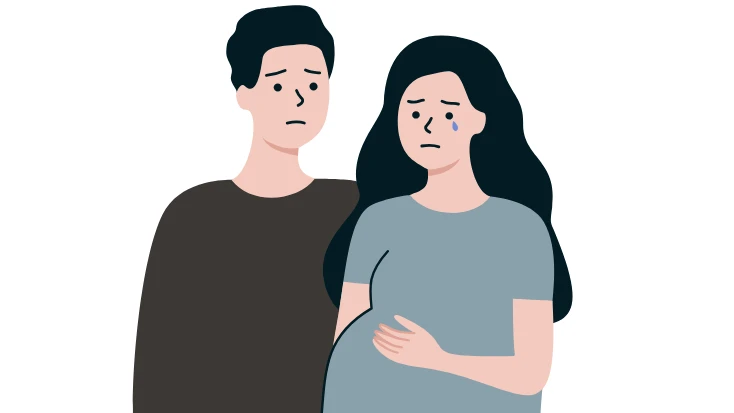
Losing a pregnancy is painful. Losing more than one can leave you confused, tired and full of questions.
If you are asking "why does this keep happening to me?", please know that you are not alone, and it is not your fault.
Around 3 to 5 out of every 100 couples trying for a baby go through recurrent pregnancy loss. In many of these cases, tests for the usual causes come back normal. This is where the immune system often comes into the picture. Understanding the immune causes of recurrent miscarriage can open the door to answers and the right treatment.
What Is Recurrent Miscarriage?
Recurrent miscarriage means losing two or more pregnancies. Earlier, doctors waited until a woman had three losses before looking for a cause. Today, most fertility experts suggest starting tests after two losses, because finding a treatable problem early gives you a better chance of a healthy pregnancy next time.
The causes can include hormone problems, changes in the shape of the uterus, genetic issues in either partner, and blood clotting disorders. When none of these explain the losses, doctors look closer at the immune system.
How Does the Immune System Affect Pregnancy?
Your immune system protects you from infections. It does this by spotting anything that is "foreign" and removing it. Here is the interesting part. A baby carries genes from both parents, so half of the baby is technically foreign to your body.
In a healthy pregnancy, your immune system makes room for the baby instead of fighting it. It calms down at the right moment and even helps the embryo settle into the womb and the placenta grow well.
When this balance goes wrong, the body may react to the pregnancy in the wrong way. This is what we call an immune cause of miscarriage. Doctors believe immune problems play a role in a good number of repeat pregnancy losses where no other reason is found.
Common Immune Causes of Repeated Miscarriage
1. Antiphospholipid Syndrome (APS)
This is the best understood immune cause of recurrent pregnancy loss. In APS, the body makes antibodies that attack its own cells by mistake. These antibodies can cause tiny clots in the placenta, which blocks the baby's supply of blood, oxygen and food. The good news is that APS can be treated, and many women with this condition go on to have healthy babies.
2. Natural Killer (NK) Cells
These are immune cells found in the lining of the womb. In small and balanced numbers they actually help the pregnancy, because they support the growth of blood vessels for the placenta. But in some women these cells may be too many or too active, which could disturb implantation. Doctors still debate how useful NK cell testing is, since blood levels may not match what is happening inside the womb. That is why this test should only be done and understood by an experienced specialist.
3. Imbalance in Other Immune Cells
Some women have fewer "calming" immune cells (called regulatory T cells) and more cells that cause inflammation. This tips the body towards swelling and irritation at the spot where the embryo needs to attach.
4. Autoimmune Conditions
Problems such as lupus and thyroid disease can raise inflammation in the body and make pregnancy harder to maintain. Keeping these conditions under control before pregnancy makes a real difference.
How Are Immune Causes Diagnosed?
There is no single test that gives every answer. A fertility expert will usually begin with your medical history, including when your losses happened and how far along you were. After that, a few checks are done:
- Blood tests for antiphospholipid antibodies: These are repeated after at least 12 weeks to confirm the result.
- Thyroid and blood sugar tests: To rule out other health issues.
- Genetic tests: For both partners to look for chromosome problems.
- Ultrasound or scans: To check the shape and health of the uterus.
Some centres offer extra immune tests, but experts agree they should be used carefully and only when they will actually change the treatment plan.
Treatment Options That Can Help
Treatment depends on what is found.
- For APS: The usual treatment is low-dose aspirin along with heparin injections during pregnancy. This combination improves the chance of a successful pregnancy a lot.
- For thyroid or autoimmune problems: Getting these under control with medicines before conceiving.
- Progesterone support: This hormone helps the early pregnancy and may also calm the immune response.
- Other immune treatments: Options like steroids, IVIG or intralipid infusions are sometimes talked about, but the proof for them is limited. They should be considered only after proper evaluation and not as a first step.
Healthy habits help too. Eat balanced meals, keep a healthy weight, quit smoking and alcohol, sleep well and find ways to manage stress. These things will not replace medical care, but they support your body while you heal and prepare.
Consult Dr. Aradhya Achuri, Fertility Expert in Hyderabad
Every couple's story is different, and so is the reason behind each pregnancy loss. That is why a personal, step-by-step approach matters.
Dr. Aradhya Achuri is a fertility expert in Hyderabad who helps couples dealing with infertility and recurrent pregnancy loss. She takes time to listen to your history, explains each test in simple words, and creates a treatment plan that suits you, without pushing unnecessary tests or treatments. Her focus is on finding the real reason behind your losses and guiding you towards a safe, healthy pregnancy.
You should consider booking a consultation if:
- You have had two or more miscarriages.
- Your earlier tests showed no clear reason.
- You have an autoimmune or thyroid condition.
- You have a family history of clotting or autoimmune problems.
- Earlier treatments have not worked.
Final Thoughts
Immune problems are one important reason behind recurrent miscarriage, and with the right tests and care, many of them can be managed. Even when no cause is found, many women still go on to have a healthy pregnancy. Please do not lose hope.
If you are struggling with repeated pregnancy loss, reach out to Dr. Aradhya Achuri at draradhyaachuri.com and take the first step towards answers.
Frequently Asked Questions
Q1. What are the immune causes of recurrent miscarriage?
The most common ones are antiphospholipid syndrome, overactive natural killer cells, an imbalance of other immune cells, and autoimmune conditions like lupus or thyroid disease. In these cases, the body reacts to the pregnancy in the wrong way and cannot support it properly.
Q2. After how many miscarriages should I get tested?
Most fertility experts now suggest testing after two miscarriages. You do not need to wait for a third loss. Early testing helps find treatable problems sooner and gives you a better chance of a healthy pregnancy.
Q3. Can immune-related miscarriage be treated?
Yes, in many cases. Antiphospholipid syndrome, for example, is usually treated with low-dose aspirin and heparin injections. Thyroid and other autoimmune conditions can also be managed with medicines. Your doctor will suggest the right treatment after checking your reports.
Q4. Is natural killer cell testing necessary for everyone?
No. Doctors still disagree about how useful this test is, because blood levels may not show what is happening inside the womb. It should only be done when a specialist feels it will help decide your treatment.