

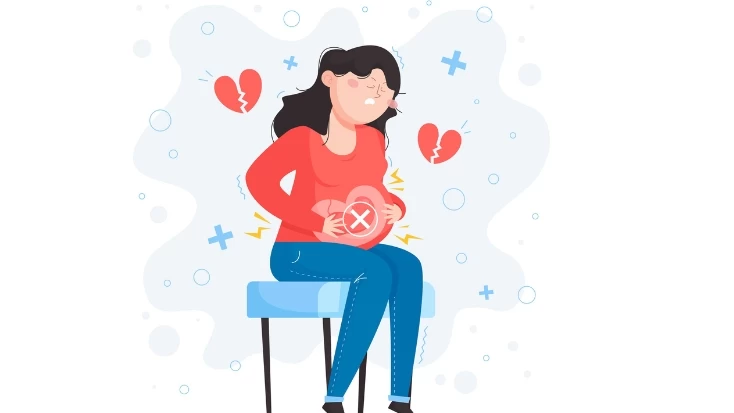
Polycystic Ovary Syndrome (PCOS) is one of the most common hormonal conditions affecting women in their reproductive years. It can make it harder to conceive, but with the right care and treatment, many women with PCOS go on to have healthy pregnancies.
As a fertility expert in Hyderabad, Dr. Aradhya Achuri often meets women who have questions about PCOS pregnancy chances, success rates, tests, and possible complications. Let’s explore these in simple terms.
Can Women with PCOS Get Pregnant?
Yes, women with PCOS can get pregnant. However, because PCOS often affects ovulation (the release of eggs from the ovaries), it may take longer to conceive. The PCOS pregnancy success rate naturally is lower compared to women without PCOS, but lifestyle changes like healthy eating, exercise, and weight management can improve fertility chances.
With the right medical support and treatment, the PCOS pregnancy success rate is encouraging. Many women are able to conceive either naturally or with fertility treatments.
PCOS Pregnancy Chances and Success Rate
-
PCOS pregnancy chances naturally: Women who maintain a healthy weight, manage stress, and track their cycles have a better chance of conceiving naturally.
-
With medical help: Fertility treatments like ovulation-inducing medicines, IVF, or intrauterine insemination (IUI) further increase the chances.
-
Overall PCOS pregnancy success rate: Studies show that with proper treatment and lifestyle support, success rates are comparable to women without PCOS.
Dr. Aradhya Achuri provides individualized treatment plans to maximize success for each patient.
PCOS Pregnancy Test
If you suspect pregnancy while having PCOS, a PCOS pregnancy test can be slightly tricky. Women with PCOS may have irregular periods, so missed periods are not always a clear sign of pregnancy. Home pregnancy tests may also show delayed results due to irregular hormone levels.
A blood test and ultrasound with your fertility doctor are the most reliable ways to confirm pregnancy when you have PCOS.
PCOS and Pregnancy Complications
While many women with PCOS have smooth pregnancies, the condition does carry a higher risk of certain complications, such as:
- Gestational diabetes
- High blood pressure (preeclampsia)
- Miscarriage
- Premature birth
- Larger baby size (which may increase chances of C-section)
Regular monitoring, early medical care, and following your doctor’s advice can significantly reduce these risks. Dr. Aradhya Achuri emphasizes personalized pregnancy care for women with PCOS to ensure the best outcomes for mother and baby.
Final Thoughts
Having PCOS does not mean you cannot have a baby. With lifestyle changes, medical treatments, and expert fertility guidance, many women achieve their dream of motherhood. If you are concerned about PCOS pregnancy chances or have questions about your PCOS pregnancy success rate, consult a fertility expert like Dr. Aradhya Achuri in Hyderabad for personalized advice.
FAQs on PCOS Pregnancy
1. What is the best age to get pregnant with PCOS?
The best age is usually in the 20s to early 30s, as egg quality is better. However, women with PCOS can still conceive later with proper treatment and medical support.
2. Can PCOS affect egg quality?
Yes, in some cases PCOS can affect egg quality due to hormonal imbalance. But with the right treatment and lifestyle changes, egg quality can improve.
3. How many cycles does it take to conceive with PCOS treatment?
It varies, but many women conceive within 3–6 treatment cycles when ovulation is properly induced and monitored.
4. Is it safe to continue PCOS medication during pregnancy?
Some medicines are stopped once pregnancy is confirmed, while others like certain insulin-regulating drugs may be continued under doctor guidance.
5. Does PCOS increase the chance of twins?
Yes, fertility treatments used in PCOS (like ovulation induction) may slightly increase the chances of twins or multiple pregnancies.
6. Can irregular periods delay pregnancy detection in PCOS?
Yes, irregular cycles can make it harder to track ovulation and pregnancy timing, which may delay detection.
7. What lifestyle changes improve PCOS fertility the fastest?
Regular exercise, reducing sugar intake, managing stress, and maintaining a healthy weight can quickly improve hormonal balance and ovulation.
8. Can PCOS symptoms improve after pregnancy?
In some women, symptoms like irregular periods may improve after pregnancy, but PCOS does not completely go away.
9. Do all women with PCOS need fertility treatment?
No, some women conceive naturally, especially if their cycles become regular with lifestyle improvements.
10. How often should PCOS patients visit a doctor while trying to conceive?
Regular follow-ups every month or as advised are important to track ovulation, adjust treatment, and improve success chances.