

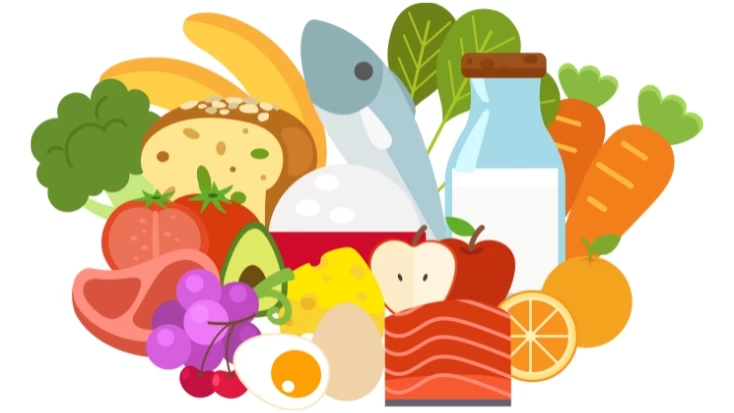
By Dr. Aradhya Achuri – Fertility Expert in Hyderabad Egg quality plays a major role in a woman’s fertility and her chances of getting pregnant naturally or through IVF. While the number of eggs cannot be increased, you can definitely improve their quality with the right foods and a healthy lifestyle. Good-quality eggs are more likely to get fertilized and result in a healthy pregnancy.
How Can Egg Quality Be Improved?
Even though we can’t increase the number of eggs, improving their quality is possible with simple lifestyle changes. Here are a few important tips that can help:
1. Maintain a Healthy Sleep Cycle
Getting 7 to 8 hours of good sleep every night allows your body to rest and heal. Proper sleep supports hormone balance and improves overall reproductive health.
2. Manage Stress
High stress levels can affect hormones like prolactin and cortisol, which interfere with ovulation. Practice meditation, yoga, deep breathing, or spend time doing activities that help you relax.
3. Improve Blood Flow to the Ovaries
Good blood circulation brings oxygen and nutrients to the ovaries, which helps maintain healthy eggs. Regular exercise, yoga, and staying hydrated support this process.
4. Consider Egg Freezing
For women who wish to delay pregnancy, egg freezing at a younger age (around 25–30 years) helps preserve good-quality eggs for future use and increases IVF success chances.
5. Eat Healthy
A balanced diet with the right mix of vitamins, minerals, and antioxidants can make a big difference in egg health and fertility outcomes.
How Does Food Affect Egg Quality?
The food you eat directly impacts your hormones, blood flow, and egg development. Nutrients like antioxidants, omega-3 fatty acids, folate, and vitamin D help eggs mature properly and protect them from damage.
Since it takes about 90 days for an egg to mature, your diet and lifestyle during this period are very important for fertility.
Top 10 Foods to Improve Egg Quality
1. Beans and Lentils
Rich in protein, iron, and folate — they support hormone balance and repair body cells. Include dal, lentil soup, or bean salads in your weekly meals.
2. Seeds
Flaxseeds, pumpkin seeds, sesame, and sunflower seeds are loaded with good fats and minerals that balance hormones and improve egg health.
3. Nuts and Dry Fruits
Walnuts, almonds, and Brazil nuts are great sources of omega-3 and selenium, which protect egg cells and reduce oxidative stress.
4. Avocados
Full of healthy fats and folate, avocados improve blood flow to reproductive organs. Add half an avocado to your breakfast or salads daily.
5. Berries
Blueberries, strawberries, and raspberries are rich in antioxidants that protect eggs from damage. Enjoy a small bowl with yogurt or oatmeal.
6. Cinnamon
Cinnamon helps women with PCOS by improving insulin sensitivity and supporting regular ovulation. Add a small pinch to tea or smoothies.
7. Ginger
Known for its anti-inflammatory properties, ginger helps improve blood flow and reduces inflammation in the reproductive system.
8. Green Leafy Vegetables
Spinach, broccoli, and kale provide vitamins A, B, C, and E, along with folate and iron — all essential for egg health.
9. Whole Grains
Brown rice, oats, and quinoa are rich in fiber and B vitamins. They help maintain stable blood sugar levels and support hormone balance.
10. Dairy Products
Milk, yogurt, and paneer offer calcium, protein, and probiotics that support hormone regulation and overall fertility.
Foods That Can Harm Egg Quality
While healthy foods can improve fertility, some foods can negatively affect egg health:
- Avoid excess caffeine and alcohol
- Limit sugary foods and soft drinks
- Reduce processed and fried foods
- Stay away from trans fats and refined carbs
These can cause inflammation and hormone imbalance, which can lower egg quality.
Simple One-Day Meal Plan for Better Fertility
Breakfast:Vegetable upma with spinach and a small bowl of berries
Lunch: Brown rice, dal, and spinach curry with curd
Snack: A handful of walnuts or almonds
Dinner: Quinoa khichdi with moong dal and sautéed vegetables.
Conclusion
Improving egg quality is about maintaining a healthy lifestyle, eating nutrient-rich foods, managing stress, and getting proper rest. With consistent care and expert guidance, women can improve their fertility naturally and increase their chances of conception.
For personalized fertility advice and treatment, consult Dr. Aradhya Achuri, Fertility Expert in Hyderabad, for the best guidance on improving egg health and reproductive wellness.
FAQs
At what age does egg quality start declining?
Egg quality usually starts declining after the age of 30 and drops faster after 35. However, healthy lifestyle changes can still support better egg health.
Can egg quality be improved naturally?
Yes, egg quality can improve with a healthy diet, regular exercise, proper sleep, and stress management over time.
How long does it take to improve egg quality?
It typically takes about 3 months (90 days), as that is the time required for an egg to mature.
Do supplements help improve egg quality?
Certain supplements like folic acid, vitamin D, CoQ10, and omega-3 may support egg health, but they should be taken only after consulting a doctor.
Does drinking water affect egg quality?
Yes, staying well hydrated improves blood flow and helps deliver nutrients to the ovaries, supporting healthier eggs.
Can poor egg quality cause IVF failure?
Yes, egg quality plays a major role in embryo development. Poor egg quality can reduce fertilization and implantation success.
Is exercise important for egg quality?
Yes, moderate exercise improves blood circulation, reduces stress, and supports hormonal balance, all of which benefit egg health.
Can weight affect egg quality?
Yes, both underweight and overweight conditions can affect hormone levels and reduce egg quality.
Does PCOS affect egg quality?
PCOS mainly affects ovulation, but in some cases, it can also impact egg quality due to hormonal imbalance.
How can I check my egg quality?
Egg quality cannot be directly measured, but tests like AMH, ultrasound (AFC), and hormone levels help assess ovarian reserve and fertility status.
Does caffeine affect egg quality?
Excess caffeine intake may negatively impact fertility, so it is best to limit coffee to 1 cup per day.
Can egg quality improve after 35?
Yes, while natural decline happens, proper diet, supplements, and medical support can still improve egg health and fertility chances.