

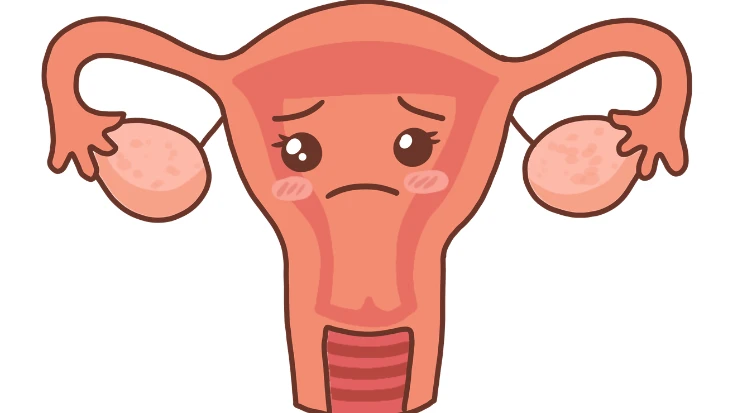
Many women do not realize they have blocked fallopian tubes until they start trying to conceive. Since the fallopian tubes play an important role in pregnancy, any blockage can make it difficult for the egg and sperm to meet naturally.
The good news is that with early diagnosis and proper treatment, many women can still achieve a healthy pregnancy. In this blog, Dr. Aradhya Achuri, Fertility Expert in Hyderabad, explains the causes, symptoms, diagnosis, and treatment options for blocked fallopian tubes.
What Are Blocked Fallopian Tubes?
The fallopian tubes are two thin tubes that connect the ovaries to the uterus. Every month, an egg travels through one of these tubes after ovulation. Fertilization usually happens inside the fallopian tube before the embryo moves into the uterus.
When one or both tubes become partially or completely blocked, this journey is interrupted. As a result, pregnancy may become difficult or impossible without treatment.
Many women searching for how to open blocked fallopian tubes often discover that the first step is identifying the exact location and cause of the blockage.
Causes of Blocked Fallopian Tubes
Several medical conditions can lead to blockage of the fallopian tubes.
Pelvic Inflammatory Disease (PID)
PID is one of the most common causes of blocked tubes. It usually develops from untreated infections and can create scar tissue inside the reproductive organs.
Endometriosis
Endometriosis occurs when tissue similar to the uterine lining grows outside the uterus. This can cause inflammation and scarring around the fallopian tubes.
Previous Surgeries
Pelvic or abdominal surgeries may sometimes lead to internal scar tissue that affects the tubes.
Ectopic Pregnancy
A previous ectopic pregnancy can damage the affected tube and increase the risk of blockage.
Tubal Infections
Infections after childbirth, miscarriage, or certain medical procedures may also cause scarring within the tubes.
Symptoms of Blocked Fallopian Tubes
One of the biggest challenges is that symptoms of blocked fallopian tubes are often absent. Many women feel completely normal.
However, some women may experience:
- Difficulty getting pregnant
- Chronic pelvic pain
- Lower abdominal discomfort
- Pain during periods
- Pain during intercourse
- Unusual vaginal discharge
- Irregular menstrual cycles in some cases
When fluid builds up inside a blocked tube, a condition called hydrosalpinx may develop, causing pelvic discomfort and affecting fertility.
If you notice any of these blocked fallopian tubes symptoms, it is important to consult a fertility specialist.
How Are Blocked Fallopian Tubes Diagnosed?
Accurate diagnosis helps doctors decide the best treatment plan.
Hysterosalpingography (HSG)
This is one of the most commonly used tests. A special dye is injected into the uterus, and X-rays are taken to check whether the dye passes through the tubes.
Pelvic Ultrasound
An ultrasound helps identify conditions such as ovarian cysts, hydrosalpinx, or other reproductive abnormalities.
Laparoscopy
Laparoscopy is a minimally invasive procedure that allows doctors to directly examine the reproductive organs and identify the exact cause of blockage.
Additional Fertility Testing
Blood tests and fertility evaluations may also be recommended to assess overall reproductive health.
How to Open Blocked Fallopian Tubes?
Many patients ask, "How to open blocked fallopian tubes naturally?"
While maintaining a healthy lifestyle supports reproductive health, completely blocked tubes usually require medical treatment. Natural remedies alone cannot remove scar tissue or severe blockages.
Some healthy habits that may support fertility include:
- Maintaining a healthy weight
- Eating a balanced diet
- Exercising regularly
- Managing stress
- Avoiding smoking and excessive alcohol
However, proper medical evaluation is essential before relying on any natural approach.
Treatment Options for Blocked Fallopian Tubes
Treatment depends on the location and severity of the blockage.
Laparoscopic Surgery
Laparoscopic surgery can remove scar tissue and adhesions that may be blocking the tubes. This procedure can improve the chances of natural conception in selected cases.
Hysteroscopic Tubal Cannulation
For blockages near the uterus, doctors may use a thin catheter to reopen the tube during a hysteroscopy procedure.
IVF Treatment
If the tubes are severely damaged or cannot be repaired, IVF (In Vitro Fertilization) may be recommended. IVF bypasses the fallopian tubes completely by fertilizing the egg outside the body and transferring the embryo into the uterus.
Treating Underlying Conditions
Managing conditions like endometriosis, pelvic infections, or hormonal disorders can also improve fertility outcomes.
When Should You See a Fertility Specialist?
You should consider consulting a fertility expert if:
- You have been trying to conceive for more than a year
- You have a history of pelvic infections
- You have endometriosis
- You experienced an ectopic pregnancy
- You have persistent pelvic pain
- Previous fertility tests suggest tubal issues
Early diagnosis can help prevent further complications and improve treatment success.
Conclusion
Blocked fallopian tubes are a common cause of female infertility, but they do not mean pregnancy is impossible. Understanding the symptoms of blocked fallopian tubes, identifying the underlying cause, and choosing the right treatment can significantly improve fertility outcomes.
If you are struggling to conceive or are concerned about your reproductive health, consulting an experienced fertility specialist is the best step forward. Dr. Aradhya Achuri, Fertility Expert in Hyderabad, offers personalized fertility evaluation and advanced treatment options to help couples achieve their dream of parenthood.