

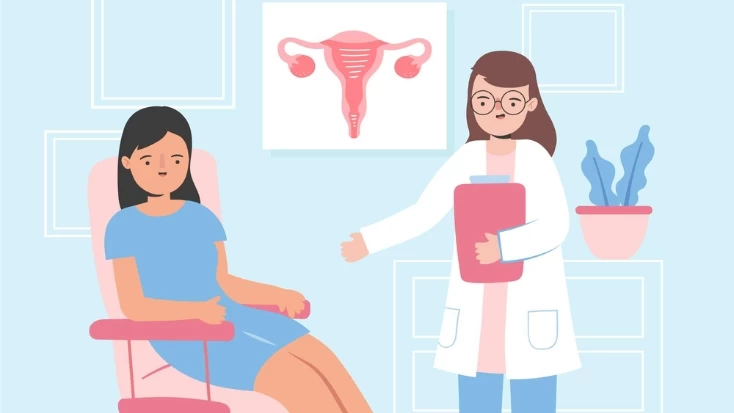
Many women today face challenges like low AMH, poor ovarian reserve, irregular cycles, or early menopause. These issues can make natural conception and IVF success difficult. One modern treatment that is giving hope to many women is Ovarian PRP Therapy.
Ovarian PRP (Platelet-Rich Plasma) is a fertility-boosting procedure that uses the body’s own healing cells to support ovarian function. It has become an important option for women who want to improve egg quality, increase follicle growth, and enhance their chances of pregnancy.
What Is Ovarian PRP Therapy?
Ovarian PRP is a form of ovarian rejuvenation where a woman’s own blood is processed to separate platelet-rich plasma. This PRP contains powerful growth factors that help repair tissues and activate dormant cells.
In this treatment, the PRP is gently injected into the ovaries. These growth factors may:
- Improve ovarian activity
- Support follicle development
- Enhance hormone production
- Improve egg quality
This therapy is especially helpful for women with diminished ovarian reserve, low AMH, poor response to IVF, or premature ovarian insufficiency.
Who Can Benefit from Ovarian PRP?
1. Women With Low AMH Levels
Low AMH often indicates a reduced ovarian reserve. Ovarian PRP may help improve AMH levels in some women by supporting healthier ovarian activity.
2. Women With Poor Response to Ovarian Stimulation
Women who produce fewer eggs during IVF cycles may see better follicular growth after PRP therapy.
3. Women With Early Menopause or Irregular Periods
Some women with premature ovarian insufficiency have reported improved hormone levels and even the return of menstrual cycles after PRP.
4. Women Above 35 Trying to Conceive
Egg quality naturally decreases with age. PRP growth factors may support better egg maturation.
5. Women Planning IVF for Better Outcomes
PRP may improve response to stimulation and overall IVF success rates.
How Is the Ovarian PRP Procedure Done?
The treatment is simple and usually done as a day-care procedure. It includes three steps:
Step 1: Blood Collection
A small amount of blood is drawn from the patient—similar to a regular blood test.
Step 2: PRP Preparation
The blood is placed in a centrifuge, which separates the plasma rich in platelets and growth factors.
This PRP is then prepared for the next step.
Step 3: PRP Injection into the Ovaries
Using transvaginal ultrasound guidance or laparoscopy, the PRP is carefully injected into each ovary.
Sometimes, ovarian PRP is given along with oocyte retrieval to improve outcome for the following IVF cycle.
Women can return home the same day and resume normal activities.
How Does Ovarian PRP Work?
PRP growth factors activate cellular repair inside the ovaries. They may:
- Stimulate dormant follicles
- Improve blood supply
- Support hormone balance
- Enhance egg maturation
- Increase the number of visible follicles
While PRP does not create new eggs, it may help improve the function of the remaining ones.
Benefits of Ovarian PRP Therapy
1. Improved Hormone Levels (AMH, FSH, Estradiol)
Many women notice better AMH levels and improved hormonal levels after PRP.
2. Better Follicle Growth
Some patients show an increased antral follicle count (AFC) after 2–3 cycles.
3. Enhanced Egg Quality
Better egg quality may lead to stronger embryos and improved pregnancy chances.
4. Possible Return of Menstruation
In some early menopause cases, PRP has helped restore cycles.
5. Better IVF Success
Fertility specialists often recommend ovarian PRP to improve IVF results—especially in women with poor ovarian response.
Does PRP Help You Get Pregnant?
Many women have conceived after ovarian PRP, both naturally and through IVF. Results vary from person to person, but several clinics worldwide report promising improvements such as:
- Higher embryo quality
- Better response during IVF stimulation
- Increased chances of successful implantation
For women with very low ovarian reserve, PRP may provide a new opportunity when other treatments have failed.
Is Ovarian PRP Safe?
Yes. PRP is considered safe because it uses your own blood. Common and mild side effects include:
- Light cramping
- Slight spotting
- Temporary discomfort
The risk of infection is very low, and serious complications are rare.
Conclusion
Ovarian PRP Therapy is an advanced and natural treatment that may help women dealing with low AMH, poor ovarian reserve, or early menopause. By improving ovarian function and supporting healthier egg development, PRP offers new hope for women who want to conceive.
If you are experiencing fertility challenges, irregular periods, or repeated IVF failures, Dr. Aradhya Achuri – Best Fertility Doctor in Hyderabad – can guide you with a personalised fertility plan, including ovarian PRP if needed.
With the right approach and expert care, pregnancy is possible—and ovarian PRP may be the support your body needs to move closer to that dream.