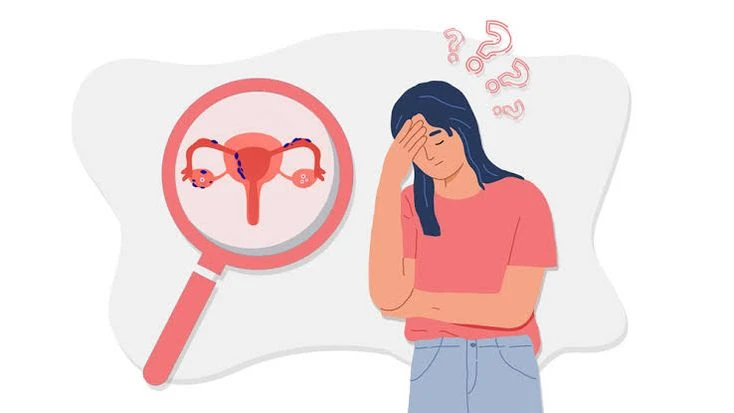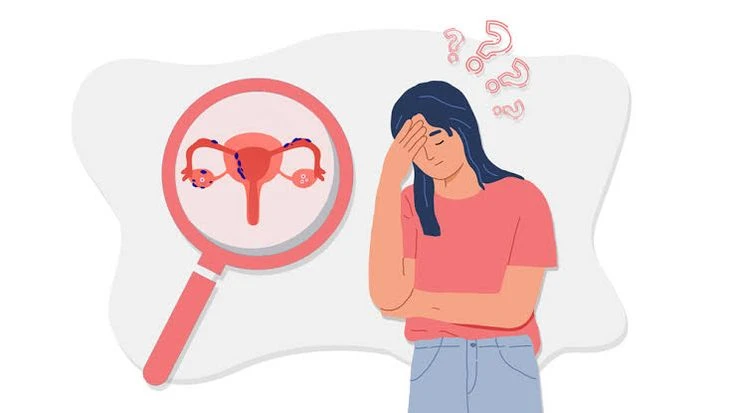
Polycystic Ovary Syndrome (PCOS) is one of the most common causes of female infertility, affecting approximately 1 in 10 women of reproductive age. Understanding PCOS and its impact on fertility is crucial for women trying to conceive.
Polycystic Ovary Syndrome (PCOS) is one of the most common causes of female infertility, affecting approximately 1 in 10 women of reproductive age. Understanding PCOS and its impact on fertility is crucial for women trying to conceive.
How PCOS Affects Fertility
-
Irregular Ovulation: PCOS often causes infrequent or absent ovulation
-
Hormonal Imbalances: Elevated androgens (male hormones) can disrupt the menstrual cycle
-
Insulin Resistance: Common in PCOS, can further disrupt reproductive hormones
-
Ovarian Cysts: While not dangerous, they're a sign of the hormonal imbalance
Diagnosing PCOS
PCOS is diagnosed when at least two of the following are present:
-
Irregular or absent menstrual cycles
-
Clinical or biochemical signs of elevated androgens
-
Polycystic ovaries on ultrasound (though some women with PCOS don't have cysts)
Treatment Options for PCOS-Related Infertility
Lifestyle Modifications
Weight loss (even 5-10% of body weight) can restore ovulation in overweight women.
Ovulation Induction
Medications like Clomiphene Citrate or Letrozole stimulate ovulation.
Metformin
Improves insulin sensitivity and may help restore regular cycles.
In Vitro Fertilization (IVF)
For women who don't respond to other treatments.
Laparoscopic Ovarian Drilling
A surgical option that can trigger ovulation in some women.
Inositol Supplements
May improve insulin sensitivity and ovarian function.
Managing PCOS for Better Fertility Outcomes
-
Balanced Diet: Focus on low-glycemic index foods and healthy fats
-
Regular Exercise: Helps with insulin sensitivity and weight management
-
Stress Reduction: Chronic stress can worsen PCOS symptoms
-
Sleep Hygiene: Poor sleep can exacerbate insulin resistance
-
Monitoring: Tracking cycles and ovulation patterns
Success Rates with PCOS
With proper treatment, many women with PCOS can conceive:
- About 80% of women with PCOS will ovulate with medication
- Approximately 50-60% will conceive within 6 cycles of ovulation induction
- IVF success rates for PCOS patients are often comparable to other infertility causes
Our PCOS Fertility Program
At Medics Fertility Clinic, we specialize in helping women with PCOS achieve pregnancy through:
- Comprehensive PCOS evaluation
- Personalized treatment plans
- Nutritional counseling
- Advanced reproductive technologies when needed
Don't let PCOS prevent you from building your family. Contact us to learn more about our specialized approach to PCOS and fertility.
FAQ's
Why is it difficult to get pregnant with PCOS?
In PCOS, an egg is not produced or released properly every month. This makes pregnancy difficult.
What is the best treatment for PCOS?
Medication prescribed by a doctor, a proper diet, and daily exercise help.
Can PCOS be completely cured?
PCOS cannot be completely cured, but it can be controlled.
How long does it take to get pregnant with PCOS?
It varies from woman to woman, but pregnancy can occur within a few months after treatment.
Is IVF necessary with PCOS?
No, IVF is not always necessary. Many women become pregnant with medication.
What should you avoid with PCOS?
Reduce your intake of sweets, junk food, and fried foods.
Does losing weight help with PCOS?
Yes, even a little weight loss can increase your chances of pregnancy.
Why are periods late with PCOS?
Because hormones don't function properly, periods don't come on time.
What are the early symptoms of PCOS?
Delayed periods, acne, weight gain, and excessive hair growth are symptoms.
Does stress worsen PCOS?
Yes, excessive stress can worsen PCOS.
Metformin