

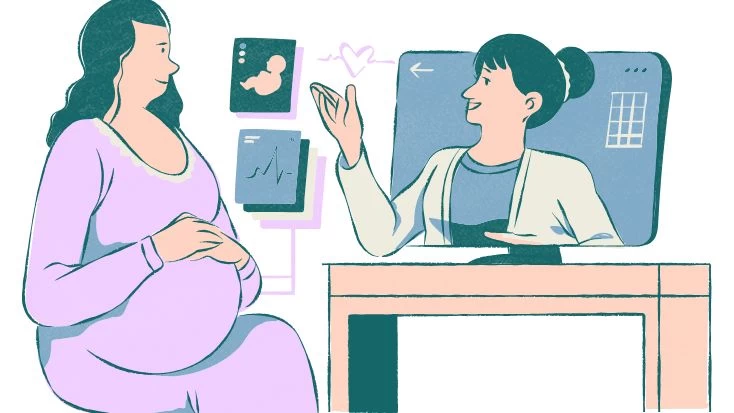
Lower abdominal pain during pregnancy is a common concern for many women. While it is often a normal part of pregnancy, it can sometimes indicate a medical issue that needs attention. Understanding why this pain happens and when to consult a fertility expert can help reduce anxiety and ensure a healthy pregnancy.
Dr Aradhya Achuri, a leading fertility expert in Hyderabad, explains that lower abdominal pain can occur at any stage of pregnancy and is usually linked to normal body changes. However, knowing the difference between normal and serious pain is important.
Is Lower Abdominal Pain Normal in Pregnancy?
Yes, in many cases, lower abdominal pain during pregnancy is completely normal. As your body changes to support the growing baby, muscles, ligaments, and organs stretch and shift. This can cause mild to moderate discomfort, especially during the first and second trimesters.
Some women feel pain on one side, while others experience it on both sides of the lower abdomen. The pain may also spread to the groin, pelvis, or thighs. Simple movements like standing up, coughing, or turning in bed can sometimes trigger this discomfort.
Common Causes of Lower Abdominal Pain During Pregnancy
Several normal and medical reasons can cause lower abdominal pain in pregnancy:
Hormonal Changes
Pregnancy hormones like progesterone and estrogen increase to support the pregnancy. These hormones relax muscles and ligaments, which can lead to abdominal pain, especially in early pregnancy.
Growing Uterus and Ligament Stretching
As the uterus grows, it stretches the round ligaments that support it. This stretching can cause sharp or pulling pain in the lower abdomen, especially during sudden movements.
Gas, Bloating, and Digestion Issues
Progesterone slows digestion during pregnancy. This can lead to gas, bloating, and constipation, which often cause lower abdominal discomfort.
Acidity and Heartburn
Increased stomach acid is common in the second and third trimesters. It may cause pain along with burning sensations, bloating, or a sour taste in the mouth.
Serious Conditions That Need Medical Attention
Although most abdominal pain is harmless, some conditions require immediate care:
Ectopic Pregnancy
An ectopic pregnancy occurs when the fertilized egg implants outside the uterus. Symptoms include sharp lower abdominal pain, vaginal bleeding, shoulder pain, and dizziness. This is a medical emergency.
Molar Pregnancy
This is a rare condition where abnormal tissue grows instead of a healthy pregnancy. Symptoms include abdominal pain, bleeding, severe nausea, and unusual discharge.
Miscarriage
Lower abdominal pain with vaginal bleeding, back pain, or tissue passage may indicate a miscarriage, especially before 20 weeks of pregnancy.
If you experience severe pain, bleeding, fever, or dizziness, consult a fertility specialist immediately.
How to Relieve Lower Abdominal Pain During Pregnancy
For normal pregnancy-related pain, these simple steps can help:
- Take enough rest and avoid heavy work
- Avoid sudden movements
- Use a warm compress on the lower abdomen
- Do gentle pregnancy-safe exercises
- Eat fibre-rich foods like fruits and vegetables
- Drink plenty of water
- Avoid lying flat on your back
Always consult your doctor before trying any home remedies.
When to Consult Dr Aradhya Achuri
If lower abdominal pain becomes severe, frequent, or is associated with bleeding, vomiting, or fever, medical evaluation is essential. Early diagnosis helps protect both mother and baby.
Dr Aradhya Achuri, an experienced fertility expert in Hyderabad, provides personalized care for pregnancy-related concerns, ensuring the safety and comfort of expecting mothers at every stage.