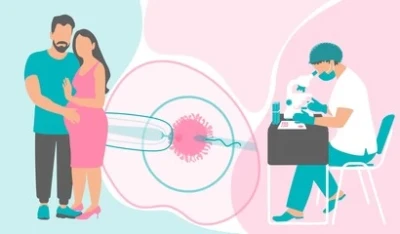
In Vitro Fertilization (IVF) is an advanced fertility treatment used to help couples achieve pregnancy when natural conception is not successful. It is commonly recommended for infertility, especially when pregnancy does not occur even after trying for a long time. IVF may also be used to reduce the risk of passing certain genetic conditions to a child. In this procedure, mature eggs are carefully collected from the ovaries and fertilized with sperm in a laboratory. Once fertilization occurs, one or more healthy embryos are transferred into the uterus, where pregnancy can develop. A complete IVF cycle usually takes a few weeks, though some steps may be done in stages depending on individual medical needs. IVF is one of the most effective assisted reproductive technologies available today. It can be performed using a couple’s own eggs and sperm or with donor support when required. Success rates depend on factors such as age, medical history, and the underlying cause of infertility. A fertility specialist guides patients through the process, explains possible risks, and helps determine if IVF is the right option