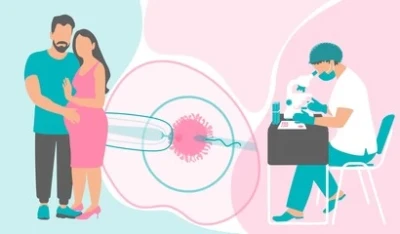
ICSI (Intracytoplasmic Sperm Injection) is an advanced fertility treatment performed as part of IVF, mainly used to treat male infertility. In this procedure, a single healthy sperm is carefully selected and directly injected into an egg in a laboratory under controlled conditions. This method helps achieve fertilization even when sperm count, movement, or shape is not ideal. Once fertilization is successful, the developed embryo is closely monitored and then transferred into the woman’s uterus to support pregnancy. ICSI is often recommended for couples with low sperm count, poor sperm motility, abnormal sperm morphology, or previous IVF failure. It may also be advised when surgically retrieved sperm or frozen sperm is used. The procedure allows precise fertilization and improves the chances of embryo development in suitable cases. A fertility specialist evaluates each couple’s condition to determine whether ICSI is the most appropriate treatment option for achieving a healthy pregnancy.